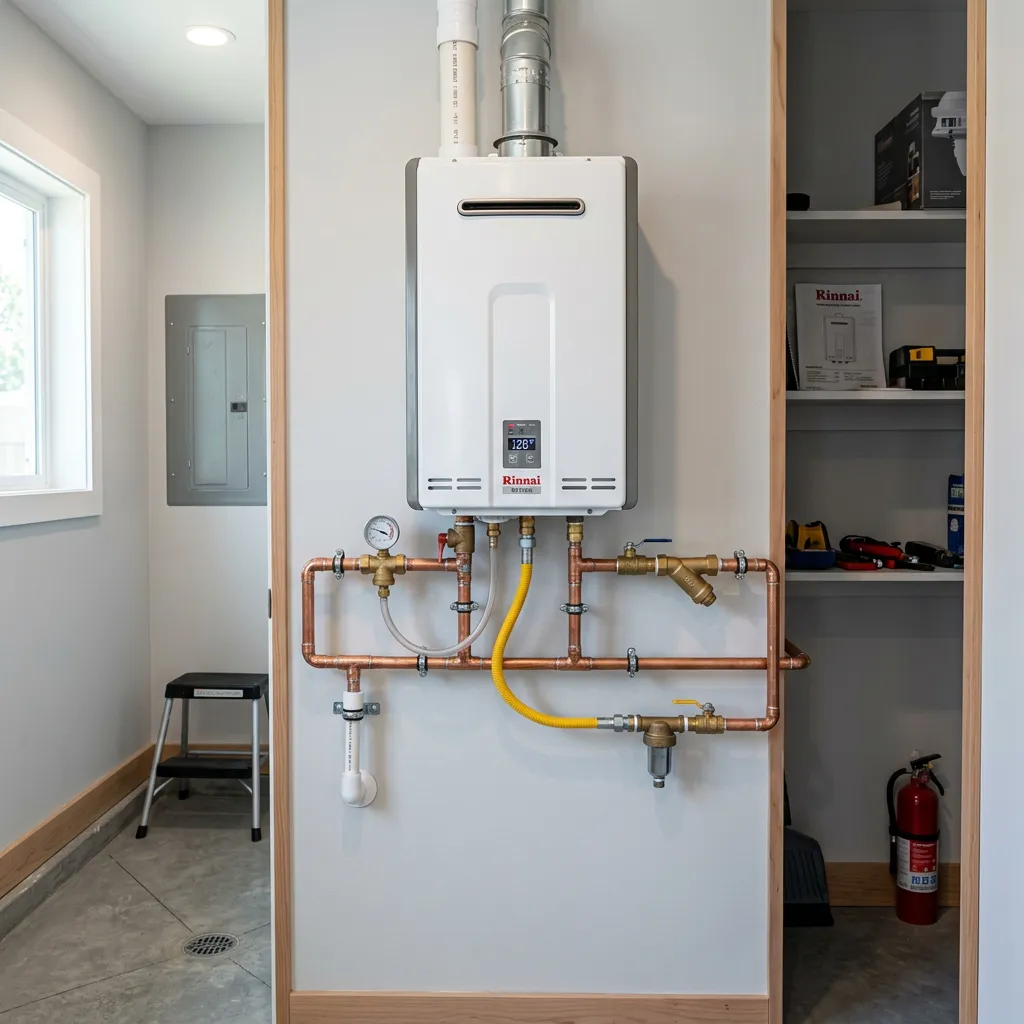
The Honest Answer: It Depends on Your Situation
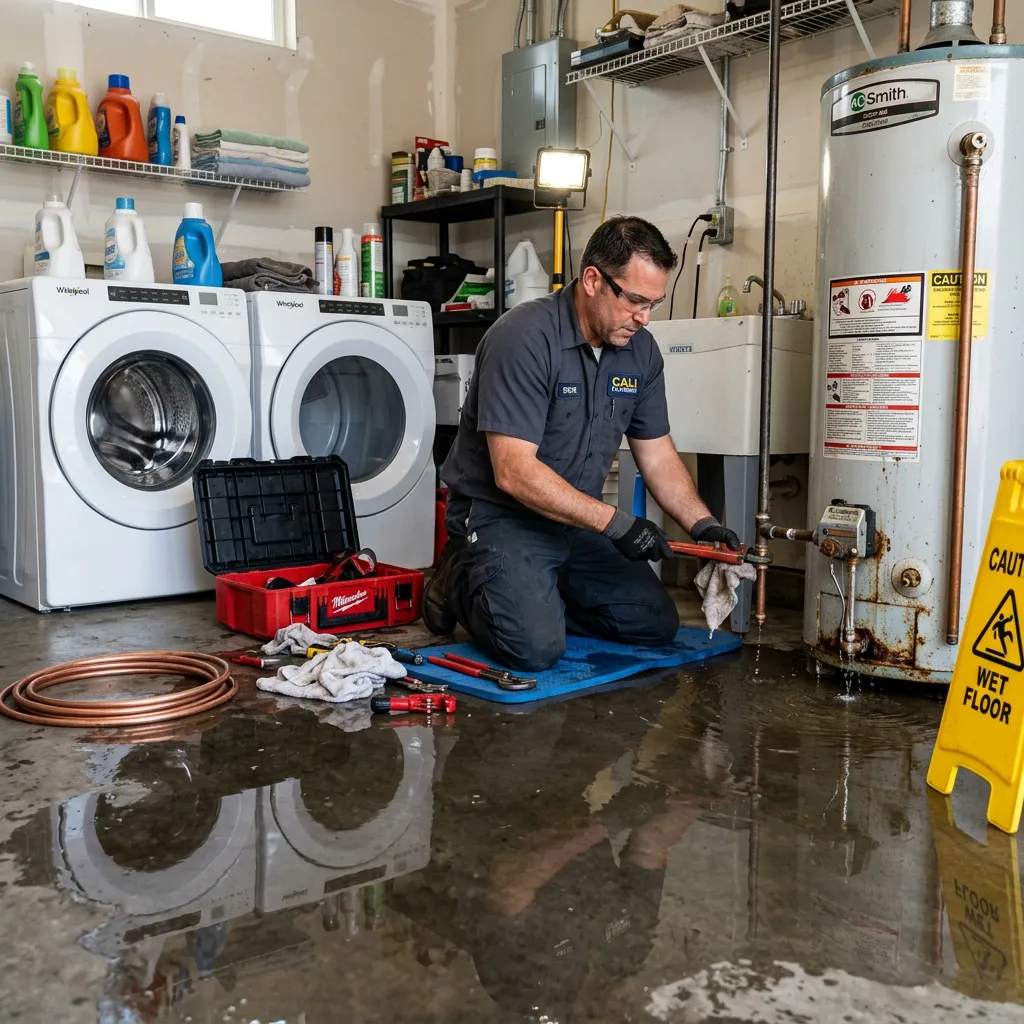
We're not going to pretend there's a universal winner here — and as certified water heater technicians in Santa Cruz, we install both types daily. Gas water heaters are cheaper to operate in most of Santa Cruz thanks to PG&E's rate structure, but electric units are simpler, safer, and increasingly competitive as California pushes toward electrification.
Let's dig into the details so you can make the call that's right for your home, your budget, and your hot water needs.
Quick Comparison Table
| Factor | Gas Water Heater | Electric Water Heater |
|---|---|---|
| Purchase price | $500 – $1,500 | $400 – $1,200 |
| Installation cost | $800 – $1,500 | $600 – $1,200 |
| Monthly operating cost | $25 – $40 | $35 – $55 |
| Recovery rate (50 gal) | ~40 gallons/hour | ~20 gallons/hour |
| Lifespan | 8 – 12 years | 10 – 15 years |
| Venting required | Yes | No |
| Carbon monoxide risk | Yes (low with proper venting) | No |
| Works during power outage | Yes (pilot light models) | No |
The Case for Gas Water Heaters in Santa Cruz
Gas water heaters have been the standard in Santa Cruz homes for decades, and for good reason:
- Lower operating costs: Despite PG&E's gas prices going up, natural gas is still cheaper per BTU than electricity in our area. A gas water heater typically costs $10-15 less per month to run than an equivalent electric unit.
- Faster recovery: Gas heaters can heat water about twice as fast as electric. For families in Soquel or Aptos with multiple bathrooms going at once, that speed matters.
- Works in power outages: If your gas heater has a standing pilot light (older models), it'll keep working when PG&E's power goes out — which, let's be real, happens more often than anyone would like.
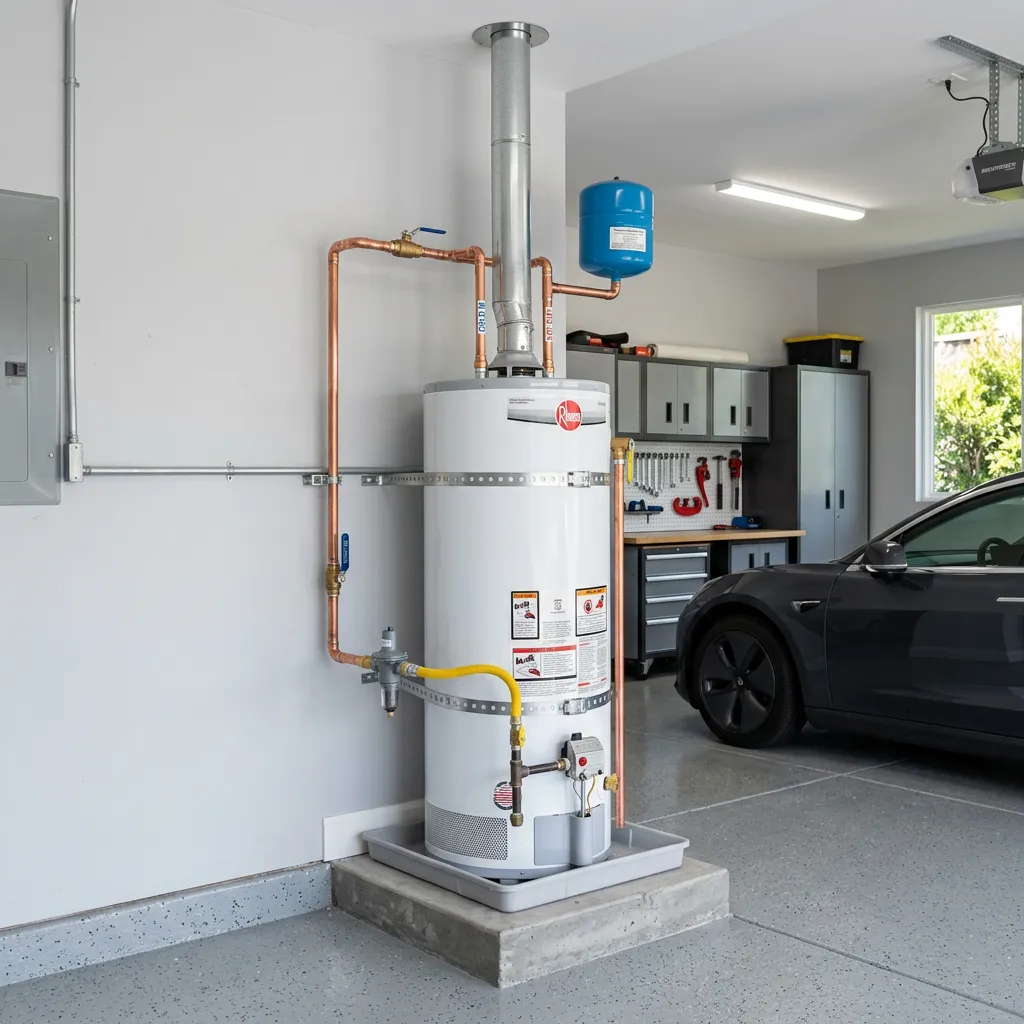
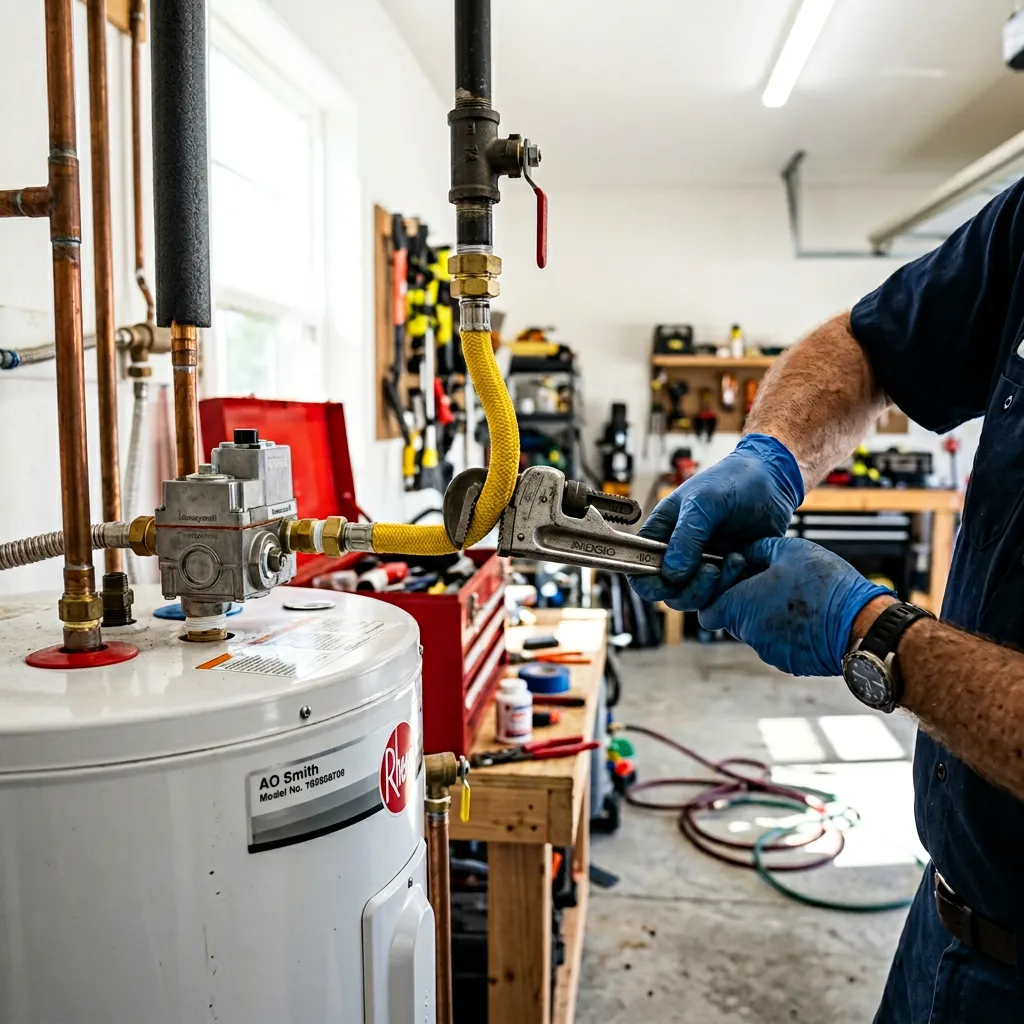
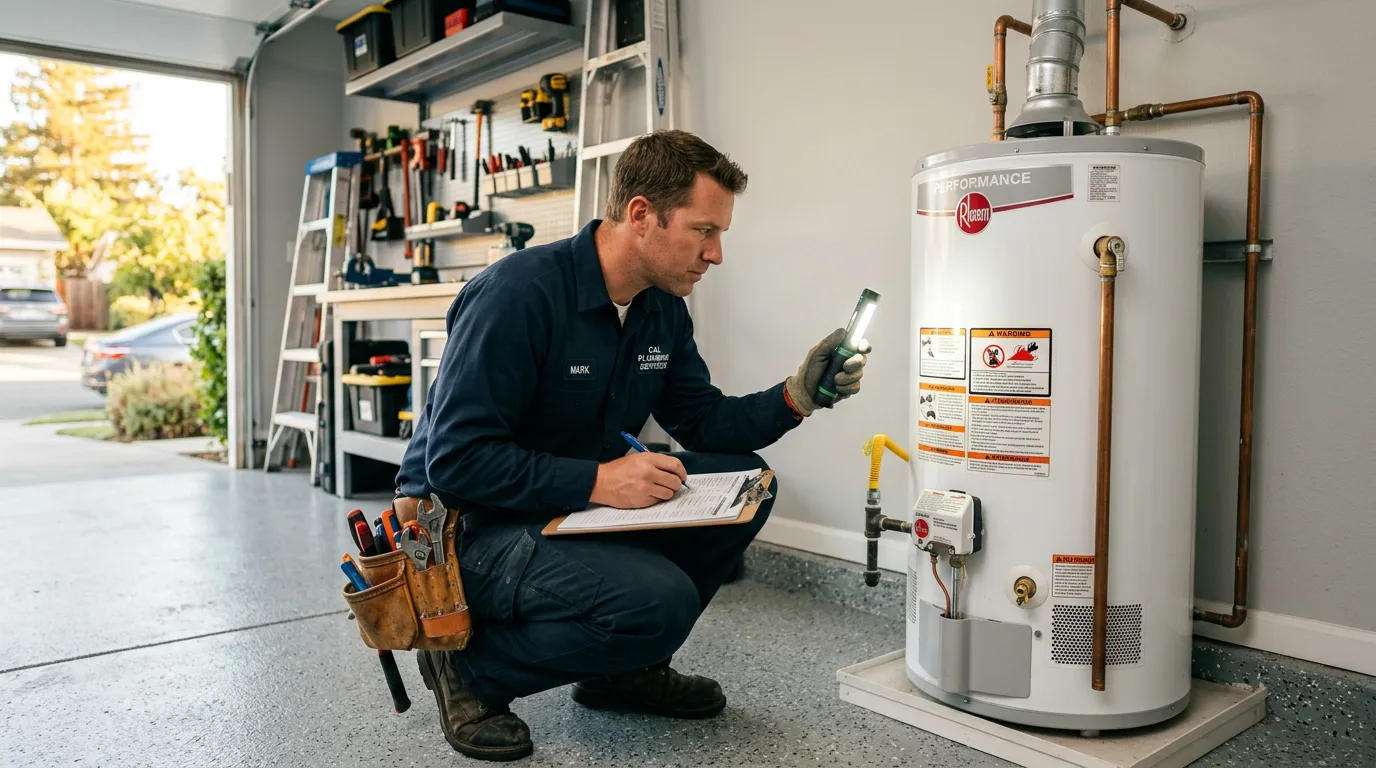
We install gas water heaters from brands like Rheem, AO Smith, and Bradford White. All solid choices for Santa Cruz homes.
The Case for Electric Water Heaters in Santa Cruz
Electric is having a moment, and not just because of California's push to reduce natural gas usage:
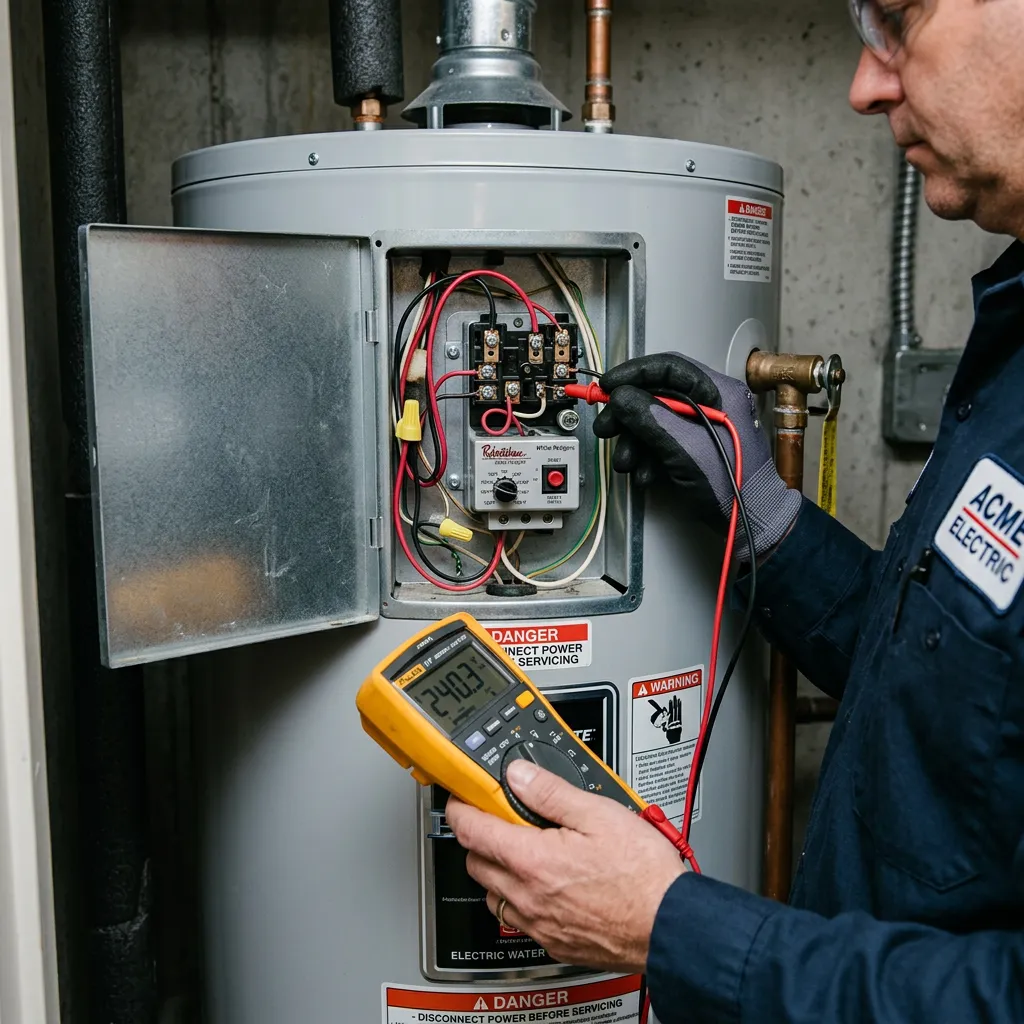
- No combustion = no carbon monoxide: Electric water heaters don't burn fuel, so there's zero risk of CO leaks. If your water heater is in a closet or poorly ventilated space, electric is inherently safer.
- Simpler installation: No venting, no gas lines, no combustion air requirements. Electric units can go virtually anywhere you have power and plumbing.
- Longer lifespan: Electric water heaters typically last 2-3 years longer than gas — fewer moving parts, no burner to corrode.
- Heat pump option: Heat pump water heaters (a type of electric) are incredibly efficient — 2-3 times more efficient than standard electric resistance. They pull heat from the surrounding air, which works beautifully in our mild Santa Cruz climate.
California's Electrification Push: What It Means for You
California has been aggressively encouraging homeowners to go electric. Some key things to know:
- New construction: Many California cities now require all-electric new homes. While Santa Cruz hasn't fully adopted this yet, the trend is clear.
- Rebates and incentives: The federal Inflation Reduction Act offers up to $2,000 in tax credits for qualifying heat pump water heaters. California also has TECH Clean California incentives that can stack on top. Check Consumer Reports' water heater guide for the latest details.
- Future gas costs: As fewer homes use natural gas, the per-customer infrastructure costs go up. Some experts predict gas prices will rise faster than electricity over the next decade.
Real-World Cost Comparison in Santa Cruz
Let's run the numbers for a typical Santa Cruz household (3-4 people, 64 gallons/day average):
| Cost Category | Gas (Standard) | Electric (Standard) | Electric (Heat Pump) |
|---|---|---|---|
| Unit + install | $2,000 | $1,800 | $3,500 |
| Annual operating | $380 | $540 | $180 |
| 10-year total | $5,800 | $7,200 | $5,300 |
| Tax credit | $0 | $0 | -$2,000 |
| 10-year net | $5,800 | $7,200 | $3,300 |
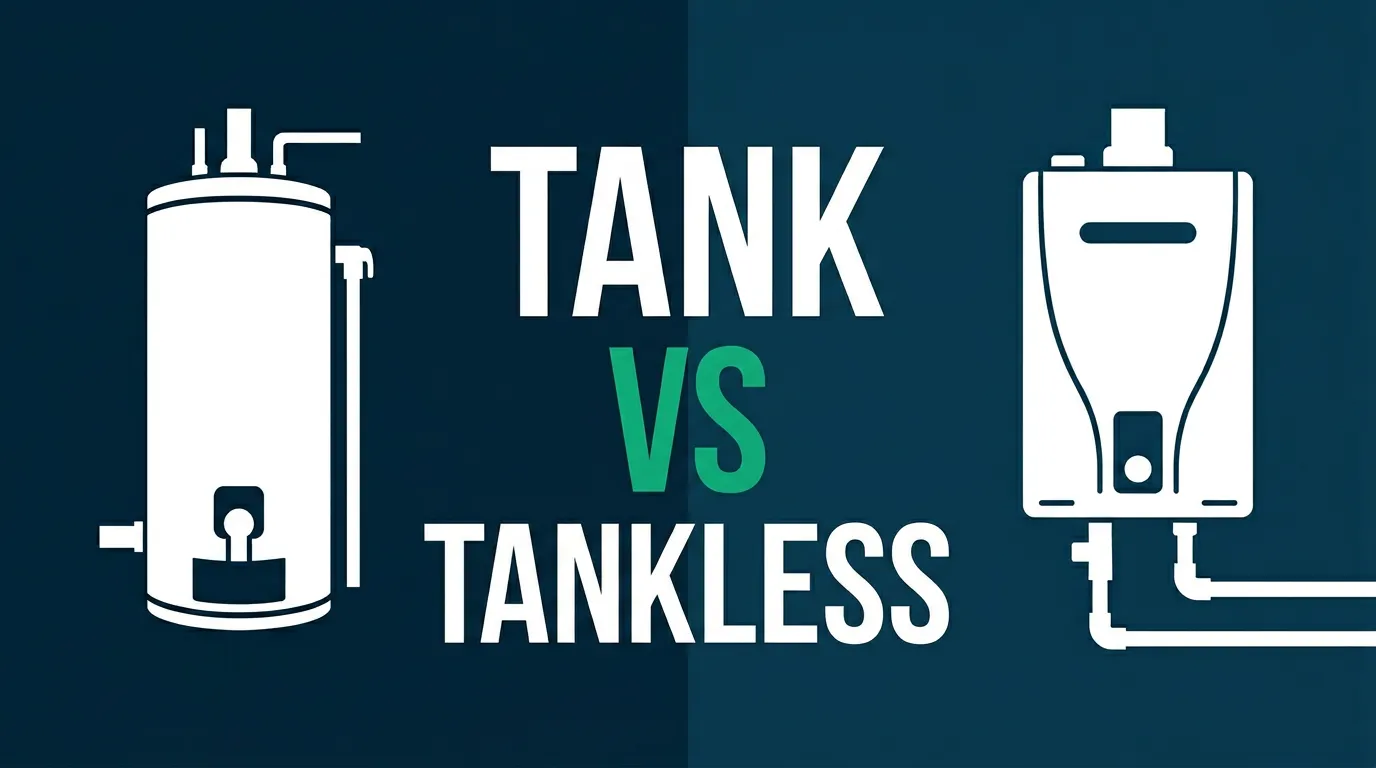
That heat pump number isn't a typo. With the federal tax credit, a heat pump water heater is genuinely the cheapest option over 10 years — and if you're also weighing tankless versus traditional tank units, the math shifts even further. The catch? Higher upfront cost and you need a space with enough ambient air (garages work great, closets not so much).
Which Should YOU Choose?
Our recommendations based on 15+ years of installs across Santa Cruz County:
- Go gas if your home already has gas lines, you need fast recovery, or you want reliability during power outages.
- Go standard electric if you don't have gas service, want simpler installation, or plan to add solar panels.
- Go heat pump electric if you can handle the upfront cost, have a garage or utility room with 100+ sq ft of air space, and want the lowest long-term costs.
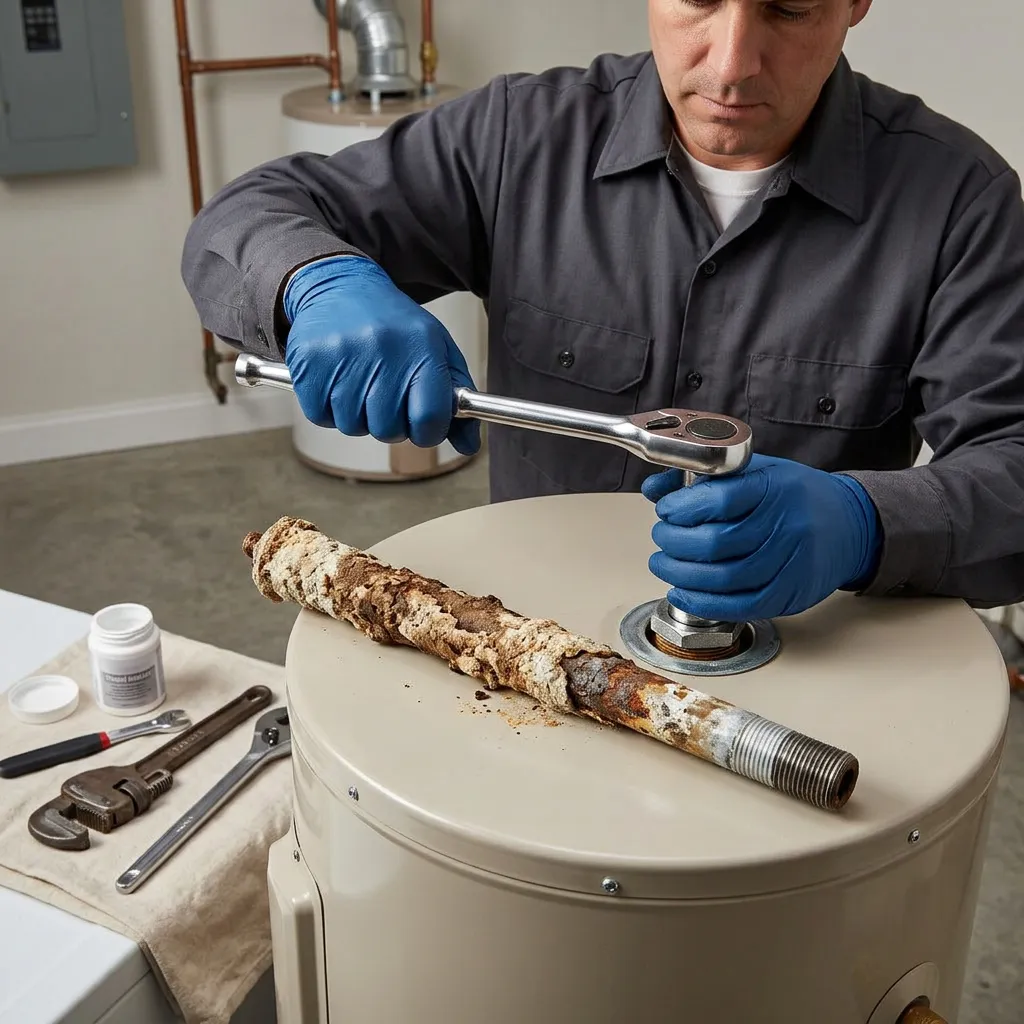
Honestly, any of these will give you reliable hot water — especially if you stay on top of basic maintenance. The "best" choice depends on your specific home and priorities. Call us at (831) 555-0192 for a free consultation — we'll walk through your setup and help you pick the option that actually makes sense for your situation.
Already know what you want? Head over to our installation page to get started.