Santa Cruz Water: Great for Waves, Rough on Water Heaters
Let's be honest — Santa Cruz has a lot going for it. World-class surf breaks, towering redwoods, and a boardwalk that's been making memories since 1907. But lurking behind all that coastal charm is a less glamorous reality: our water is hard. Really hard.
Santa Cruz County's water supply, drawn from a mix of surface sources like Loch Lomond Reservoir and the San Lorenzo River plus local groundwater wells, carries a mineral load that ranges from moderately hard to very hard — typically between 100 and 250 parts per million (ppm) of calcium carbonate. If you've ever noticed white, chalky residue on your faucets or showerheads, congratulations: you've met hard water in person.
Now here's the part nobody warns you about when you buy a home on the west side or up in Scotts Valley: those same minerals are quietly staging a hostile takeover inside your water heater. And if you ignore them long enough, the repair bill will hit harder than a winter swell at Steamer Lane.
What Hard Water Actually Does Inside Your Tank
Every time your water heater fires up, it heats incoming water to somewhere around 120 to 140 degrees Fahrenheit. At those temperatures, dissolved calcium and magnesium don't just float around politely — they precipitate out of the water and settle to the bottom of your tank as a chalky sediment called limescale.
Over months and years, this sediment layer thickens. And that's when the trouble starts.
Sediment Buildup: The Silent Efficiency Killer
In a gas water heater, the burner sits directly beneath the tank. When a thick layer of sediment settles between the burner and the water, it acts like an insulating blanket — forcing your unit to work significantly harder and run much longer to heat the same amount of water. The U.S. Department of Energy estimates that just half an inch of sediment can increase energy consumption by nearly 30%.
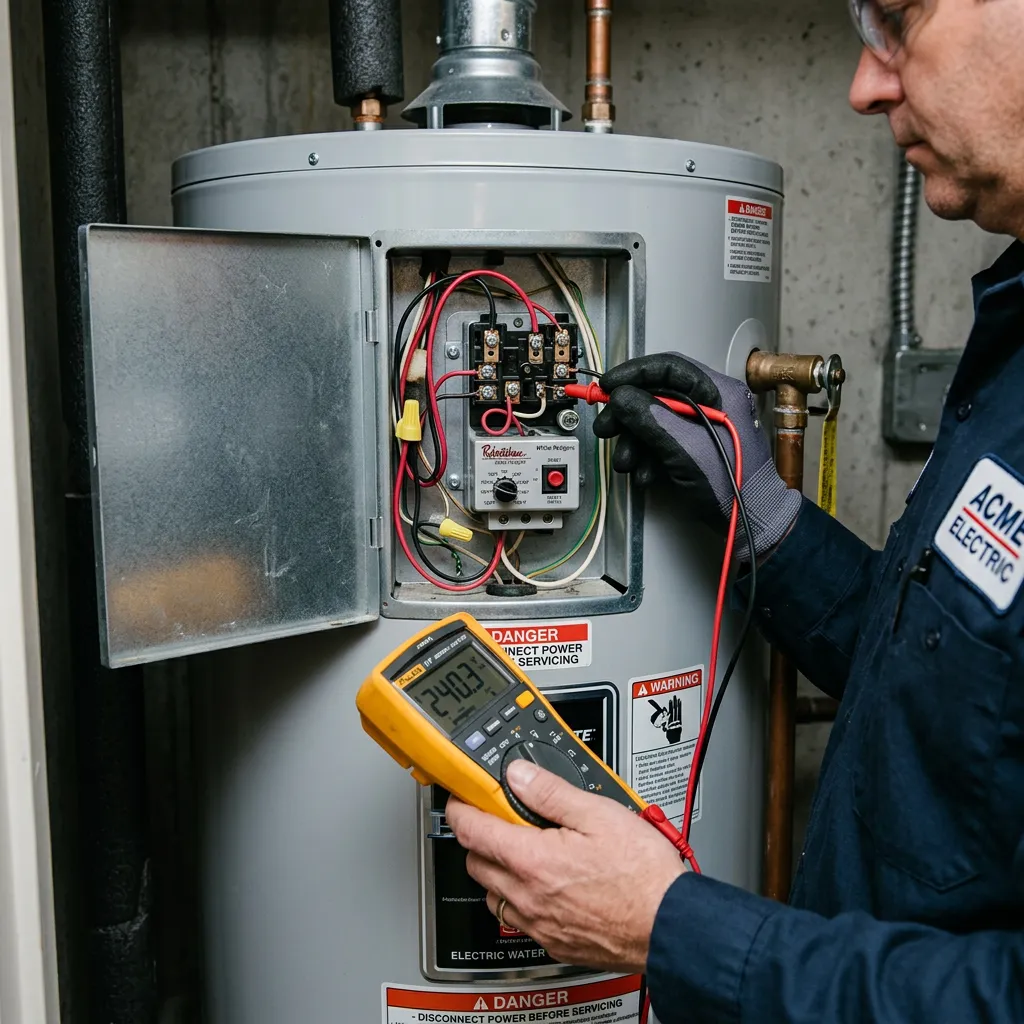
For electric water heaters, the lower heating element gets buried in sediment. It overheats, burns out prematurely, and suddenly your morning shower goes from refreshing to regrettable. Either way, you're paying more on your utility bills for less hot water — which is the worst kind of math.
You might also hear a telltale popping or rumbling sound from your tank. That's steam bubbles forming under the sediment layer and bursting through it, like a tiny, expensive geyser. It's your water heater's way of saying, "Hey, I could use some attention down here."
Anode Rod Corrosion: Your Tank's Unsung Hero Under Siege
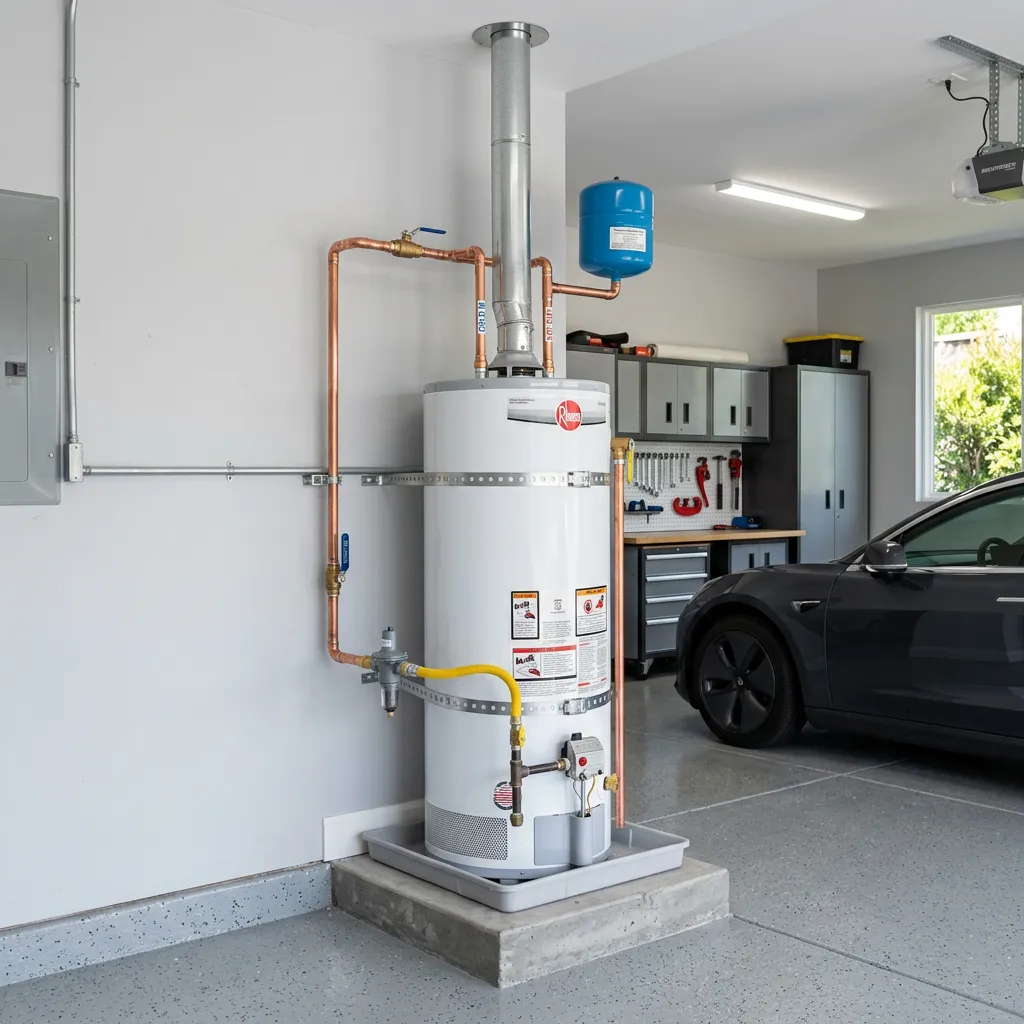
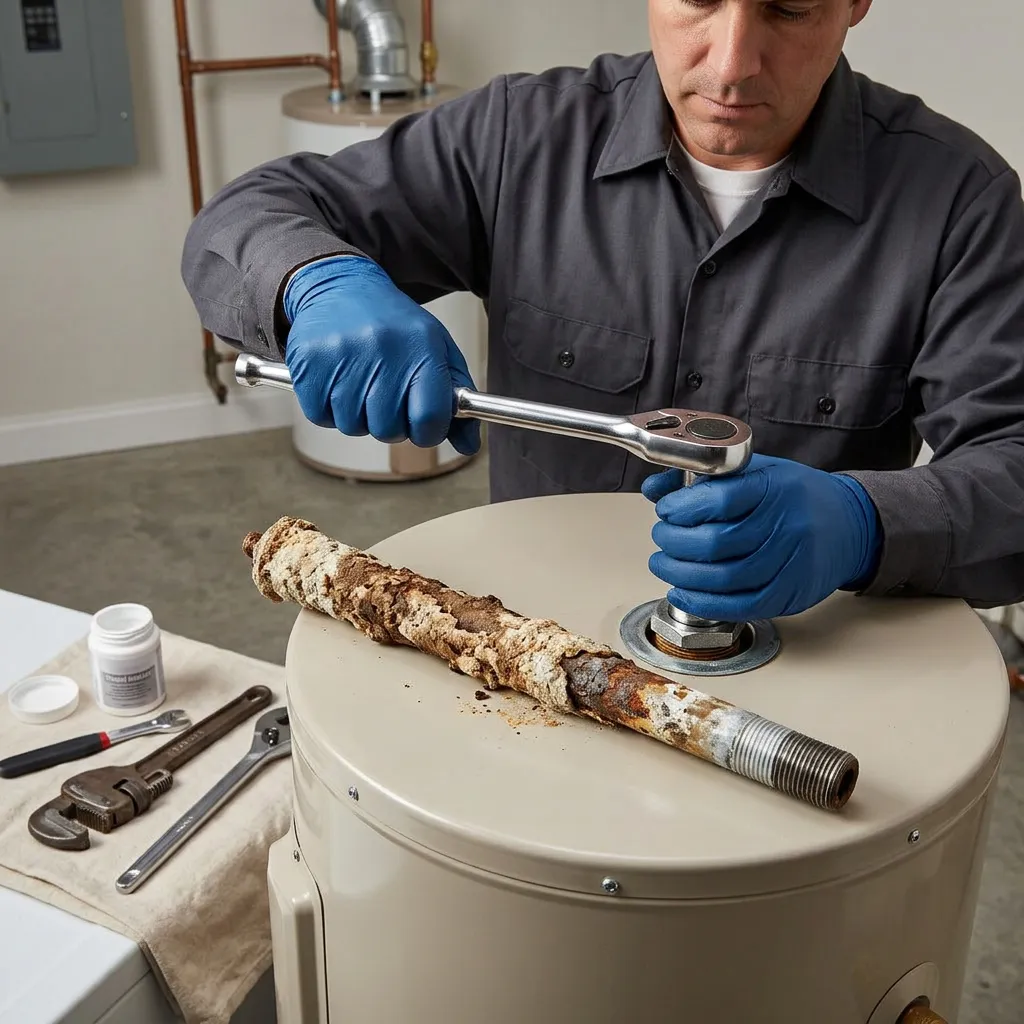
Every tank-style water heater has a component most homeowners have never heard of: the anode rod. It's a metal rod — usually magnesium or aluminum — suspended inside the tank, and its entire job is to corrode so your tank doesn't. Engineers call it a "sacrificial anode," which sounds dramatic because it is. This rod attracts the corrosive minerals in your water, essentially taking one for the team.
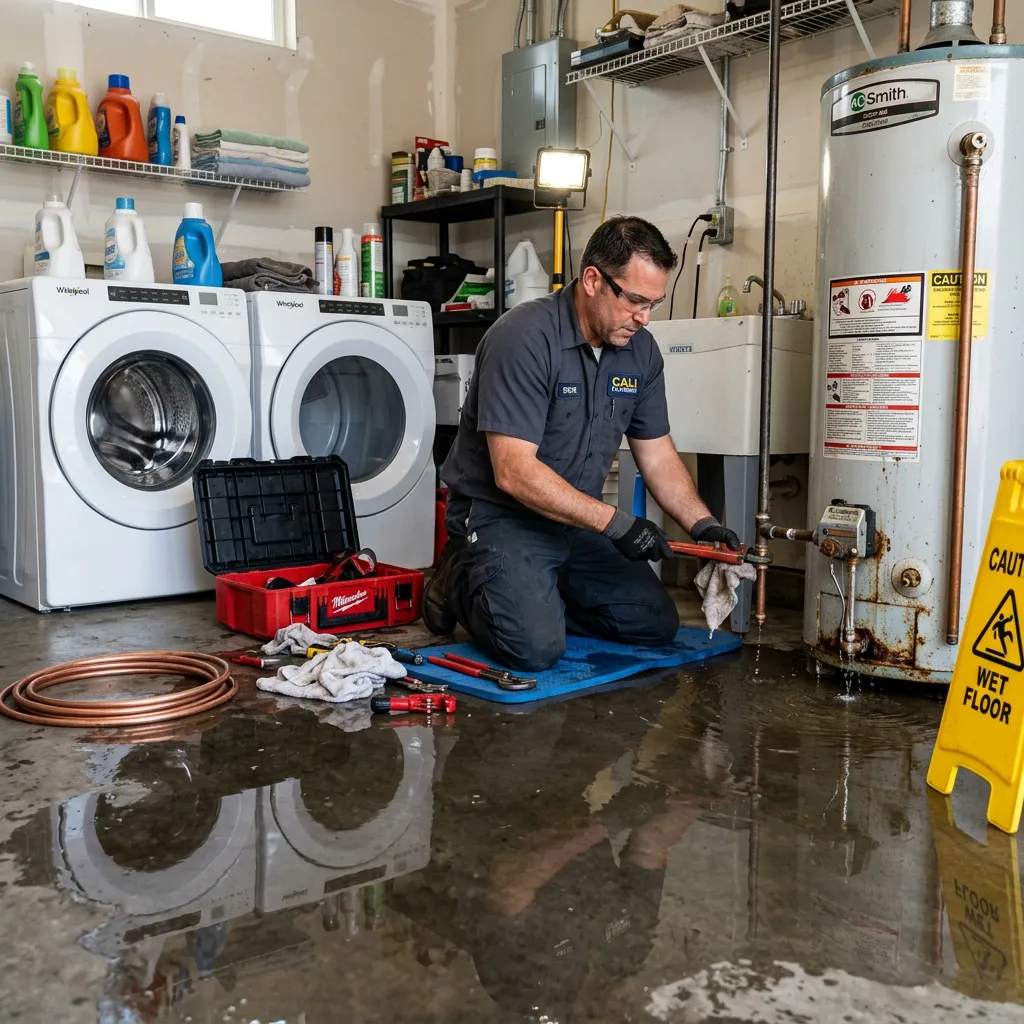
The problem? In Santa Cruz's mineral-rich water, anode rods corrode significantly faster than they would in areas with softer water. A rod that might last five to six years in a soft-water city could be completely spent in two to three years here. Once the anode rod is gone, those corrosive minerals turn their attention to the steel tank lining itself. Rust forms, the tank weakens, and eventually — often at the worst possible time — it springs a leak.
If you haven't had your anode rod inspected in the last couple of years, it's worth scheduling a check. Replacing a $30 to $50 rod is vastly preferable to replacing a $1,500 water heater.
Recognizing the Warning Signs
Hard water damage doesn't announce itself with a bang. It's sneaky. Here are the red flags Santa Cruz homeowners should watch for:
- Discolored or rusty hot water — Could indicate a failing anode rod or internal tank corrosion
- Rumbling, popping, or knocking sounds — Sediment buildup causing steam pockets
- Longer recovery times — Your heater takes noticeably longer to produce hot water
- Higher energy bills — Sediment is forcing your system to overwork
- Lukewarm water at best — Especially in electric models with buried heating elements
- Visible white scale on fixtures — If it's on your faucets, it's in your tank
If any of these sound familiar, don't wait for a catastrophic failure. A proactive approach saves money every time.
Solutions That Actually Work for Santa Cruz Homeowners
1. Annual Tank Flushing
Draining and flushing your water heater tank once a year is the single most effective thing you can do to combat sediment buildup. It's a relatively simple procedure — connect a garden hose to the drain valve, flush until the water runs clear — but if you're not comfortable doing it yourself, our team handles routine maintenance calls throughout Santa Cruz County.
For homes in areas with particularly hard water, like parts of Soquel, Capitola, and the San Lorenzo Valley, flushing every six months isn't overkill. It's just good sense.
2. Anode Rod Inspection and Replacement
Have a professional check your anode rod every two years at minimum. If it's more than 50% corroded, replace it immediately. Some homeowners in hard-water areas opt for powered anode rods (also called impressed-current anodes), which don't corrode at all and can last the lifetime of the tank. They cost more upfront but eliminate the ongoing replacement cycle.
3. Install a Water Softener or Conditioner
A whole-house water softener swaps calcium and magnesium ions for sodium ions, dramatically reducing scale formation throughout your entire plumbing system — not just the water heater. For Santa Cruz homes, this is often the most comprehensive long-term solution. Salt-free water conditioners are another option that won't remove minerals but will prevent them from forming hard scale deposits.
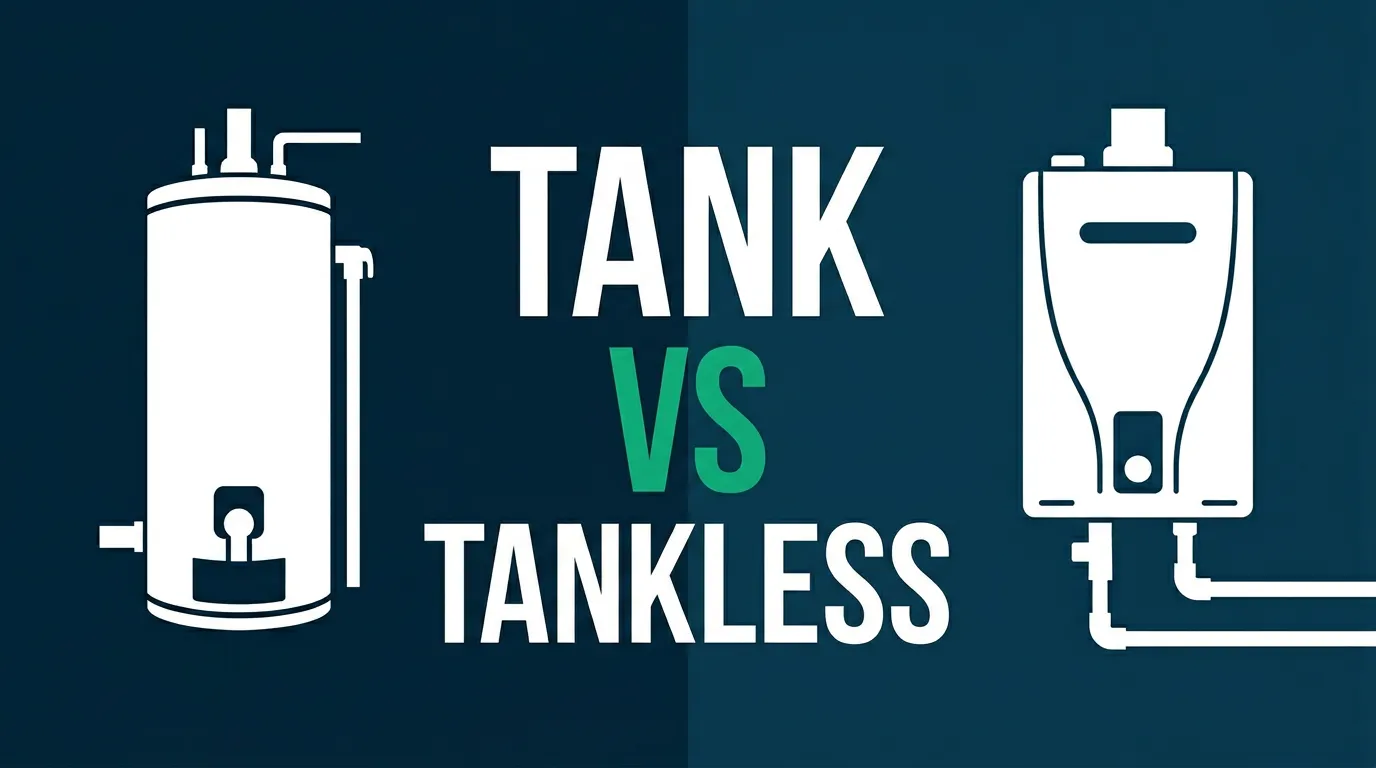
4. Consider a Tankless Water Heater
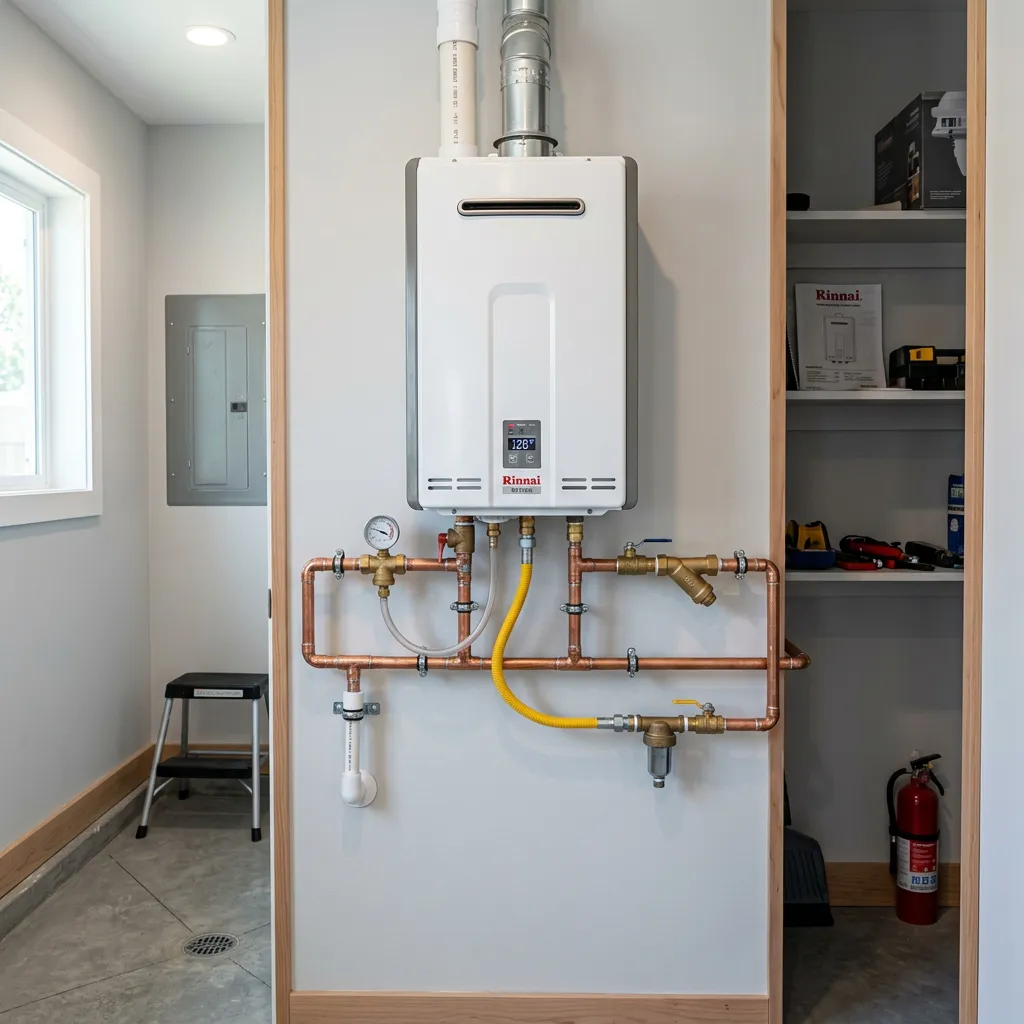
Tankless (on-demand) water heaters don't store water, which means there's no tank for sediment to accumulate in. They're not completely immune to hard water — scale can still build up on the heat exchanger — but they're easier to descale during annual maintenance and generally suffer less damage over time. If your current tank is nearing the end of its life, a tankless upgrade might be worth exploring.
The Bottom Line
Living in Santa Cruz means accepting a few tradeoffs. Traffic on Highway 1 during summer. Fog that rolls in right when you planned a beach day. And water that's mineral-rich enough to slowly destroy your water heater from the inside out if you're not paying attention.
The good news? A little preventive maintenance goes a remarkably long way. Annual flushes, regular anode rod checks, and possibly a water softener can add years to your water heater's lifespan and keep your energy bills from creeping up unnecessarily.
Your water heater works hard for you every single day. In a town with water this hard, the least you can do is return the favor.