Why Flushing Your Water Heater Actually Matters
Let's be honest — flushing your water heater ranks somewhere between cleaning the gutters and organizing the garage on the excitement scale. But here's the thing: Santa Cruz's water carries minerals that build up inside your tank like barnacles on a surfboard. That sediment makes your heater work harder, drives up your energy bill, and slowly shortens its lifespan.
Think of it this way: you wouldn't skip oil changes on your van and expect it to keep hauling you to Pleasure Point every morning. Same logic applies here. A quick flush once or twice a year keeps everything running smooth, saves you money, and helps you avoid that dreaded cold shower on a foggy January morning.
Tools You'll Need
Good news — you don't need a plumbing degree or a garage full of specialty tools. Here's your kit:
- Garden hose — long enough to reach a drain or your yard
- Flathead screwdriver — for the drain valve if it's a slotted type
- Bucket — a 5-gallon bucket works great
- Work gloves — the water coming out is hot
- Safety glasses — because hot water and sediment can splash
- Towels — for the inevitable minor spill
Total cost if you don't already own these? Maybe $15 at any hardware store on Mission Street. Not bad for a DIY project that can extend your water heater's life by years.
The 10-Step Flush: Your Play-by-Play
Step 1: Turn Off the Heat Source
For a gas water heater, turn the thermostat dial to "Pilot" or shut off the gas valve completely. For an electric water heater, flip the dedicated breaker at your electrical panel. This is non-negotiable — you do not want to heat an empty tank. That's how you destroy a heating element or crack a tank, and trust us, water heater repair for a burned-out element isn't how you want to spend your weekend.
Step 2: Let the Water Cool Down
Water heaters typically store water at 120-140°F. That's hot enough to cause serious burns. After turning off the heat source, wait at least 1-2 hours for the water to cool to a safer temperature. Yes, it's tempting to skip ahead — don't. Go wax your board, grab a coffee at Verve, do literally anything else for a couple hours.
Step 3: Turn Off the Cold Water Supply
Locate the cold water inlet valve at the top of your water heater and turn it to the closed position. This stops new water from flowing into the tank while you're draining it.
Step 4: Connect the Garden Hose
Attach your garden hose to the drain valve at the bottom of the tank. Run the other end of the hose to a floor drain, outside to your driveway, or into a large bucket. Make sure the hose runs downhill — gravity is doing the work here.
Step 5: Open a Hot Water Faucet Inside
Go to the nearest sink or tub and open the hot water tap. This breaks the vacuum inside the tank and lets the water drain freely. Think of it like poking a second hole in a juice box — everything flows better.
Step 6: Open the Drain Valve
Slowly open the drain valve. The water will start flowing through the hose. It may look rusty, murky, or have visible sediment chunks — that's exactly what you're getting rid of. If you've never flushed your tank before, prepare to be mildly disgusted. That stuff was in your hot water. You were showering in that.
Step 7: Flush With Fresh Water
Once the tank is mostly empty, briefly turn the cold water supply back on to stir up remaining sediment at the bottom. Let it run for 3-5 minutes while the drain valve is still open. You'll see the water go from murky to clear — that's your finish line.
Step 8: Close Everything Up
Turn off the cold water supply again. Close the drain valve firmly (but don't over-tighten — these valves can be fragile). Disconnect the garden hose. Close the hot water faucet you opened inside.
Step 9: Refill the Tank
Open the cold water supply valve fully. The tank will start refilling. Go back to that open hot water faucet inside — when water starts flowing steadily from it without sputtering air, the tank is full. Close the faucet.
Step 10: Restart Your Water Heater
For gas units, turn the thermostat back to your desired setting (120°F is the Department of Energy's recommended temperature). For electric units, flip the breaker back on. Give it 30-60 minutes to heat up, and you're back in business with a cleaner, more efficient water heater.
How Often Should You Flush?
The general recommendation is once a year for most households. However, Santa Cruz has moderately hard water depending on your neighborhood and water source, so every 6-12 months is a solid target. If you notice any of these signs, bump up the frequency:
- Rumbling or popping sounds from the tank
- Hot water that looks cloudy or has a metallic taste
- Your water heater takes longer to heat up than it used to
- Visible sediment when you drain a small amount from the valve
Not sure about your water hardness? Our team can test it during a routine water heater maintenance visit.
When to Skip the DIY and Call a Pro
Flushing is a great DIY project, but there are times when it's smarter to call in backup:
- The drain valve is stuck or corroded — forcing it can snap the valve and create a flood situation
- The water heater is more than 8-10 years old and has never been flushed — heavy sediment buildup may need professional removal
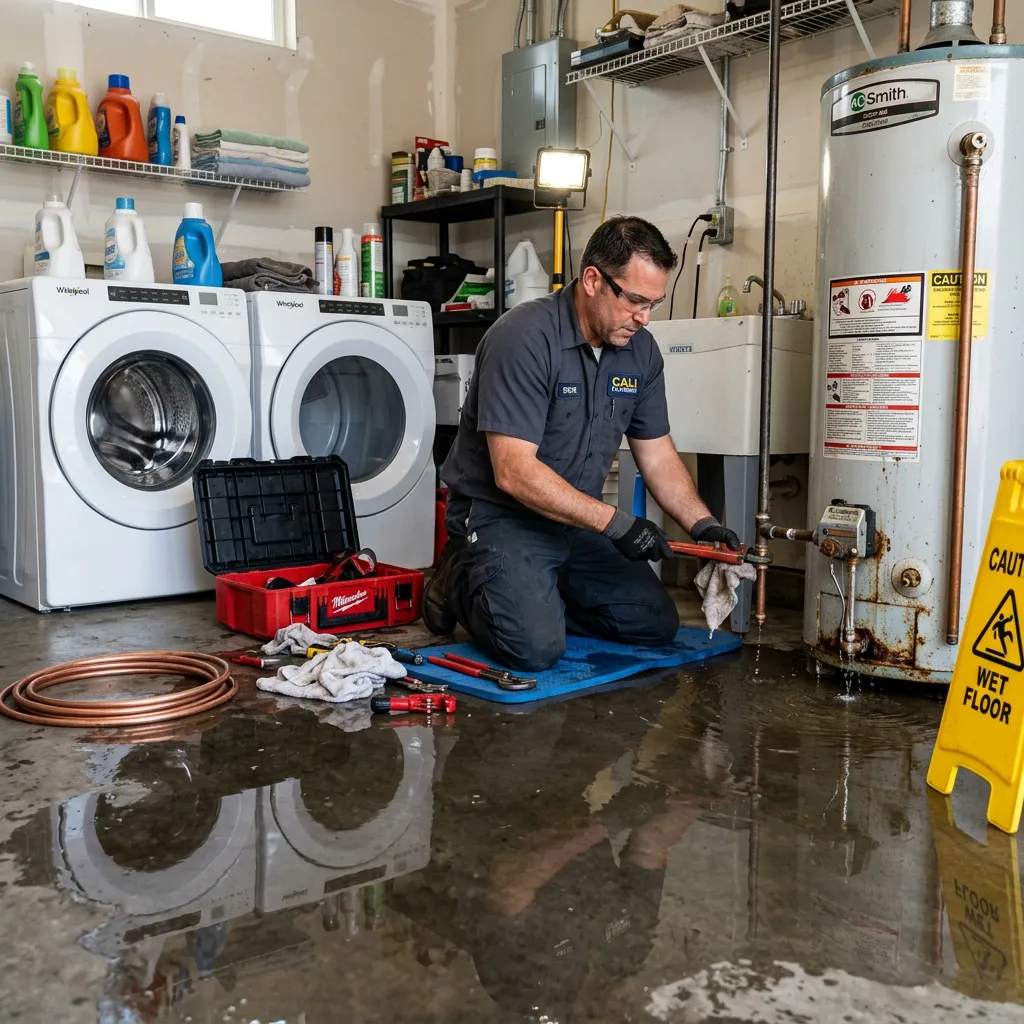
- You notice leaking around the valve, fittings, or base of the tank — that's a water heater leak that needs professional attention
- The tank makes loud banging noises even after flushing — could indicate a failing heating element or other internal issue
- You're just not comfortable doing it — no shame in that game
If any of these sound familiar, give us a call. Our Santa Cruz technicians handle water heater services across the area — from Westside to Live Oak, Capitola to Scotts Valley. We'll get your system dialed in so you can get back to the things that actually matter.
The Bottom Line
Flushing your water heater isn't glamorous, but it's one of the easiest things you can do to protect a major home appliance. Thirty minutes of your time, once or twice a year, can save you hundreds (or thousands) in premature replacement costs. Plus, you get the smug satisfaction of being the kind of homeowner who actually does preventive maintenance. Put it on the calendar, knock it out, and get back to enjoying that Santa Cruz lifestyle.