The Average Lifespan (and Why Yours Might Be Different)
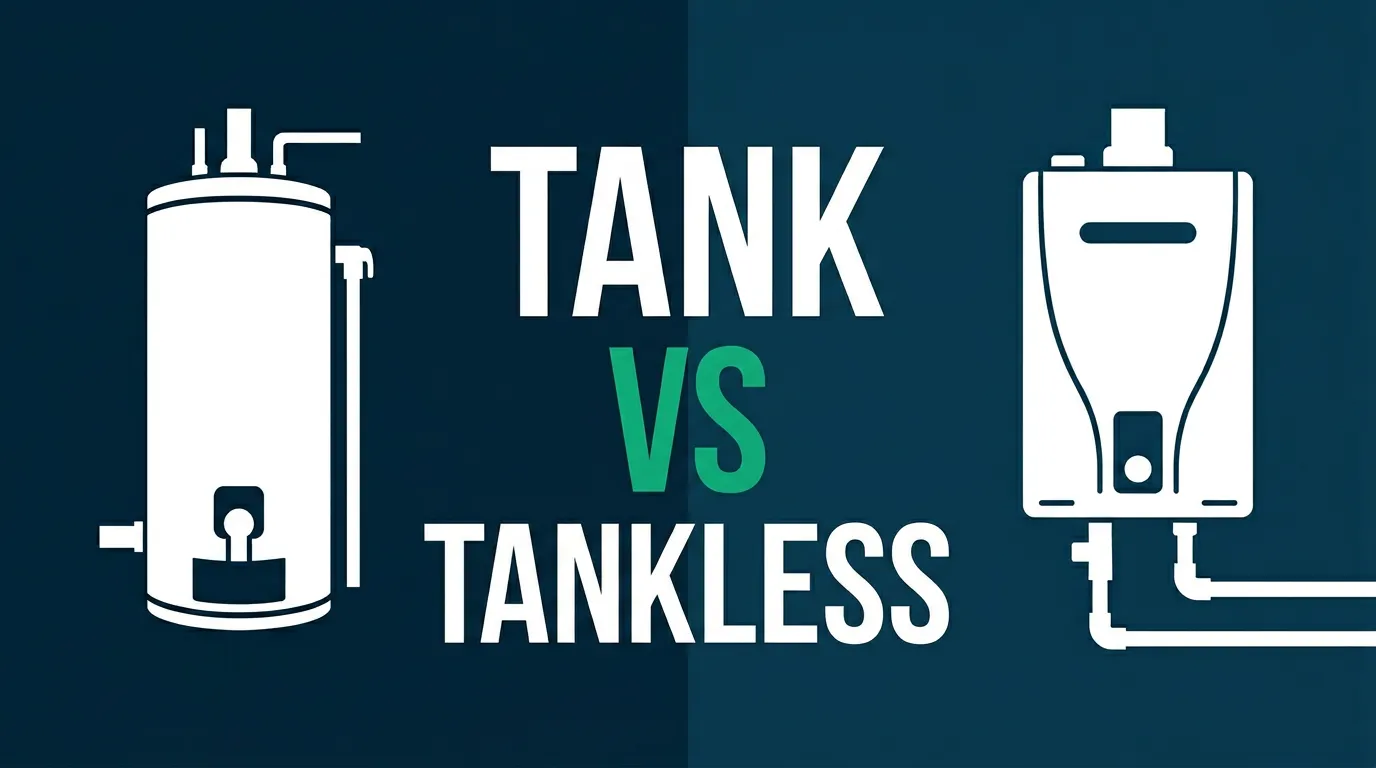
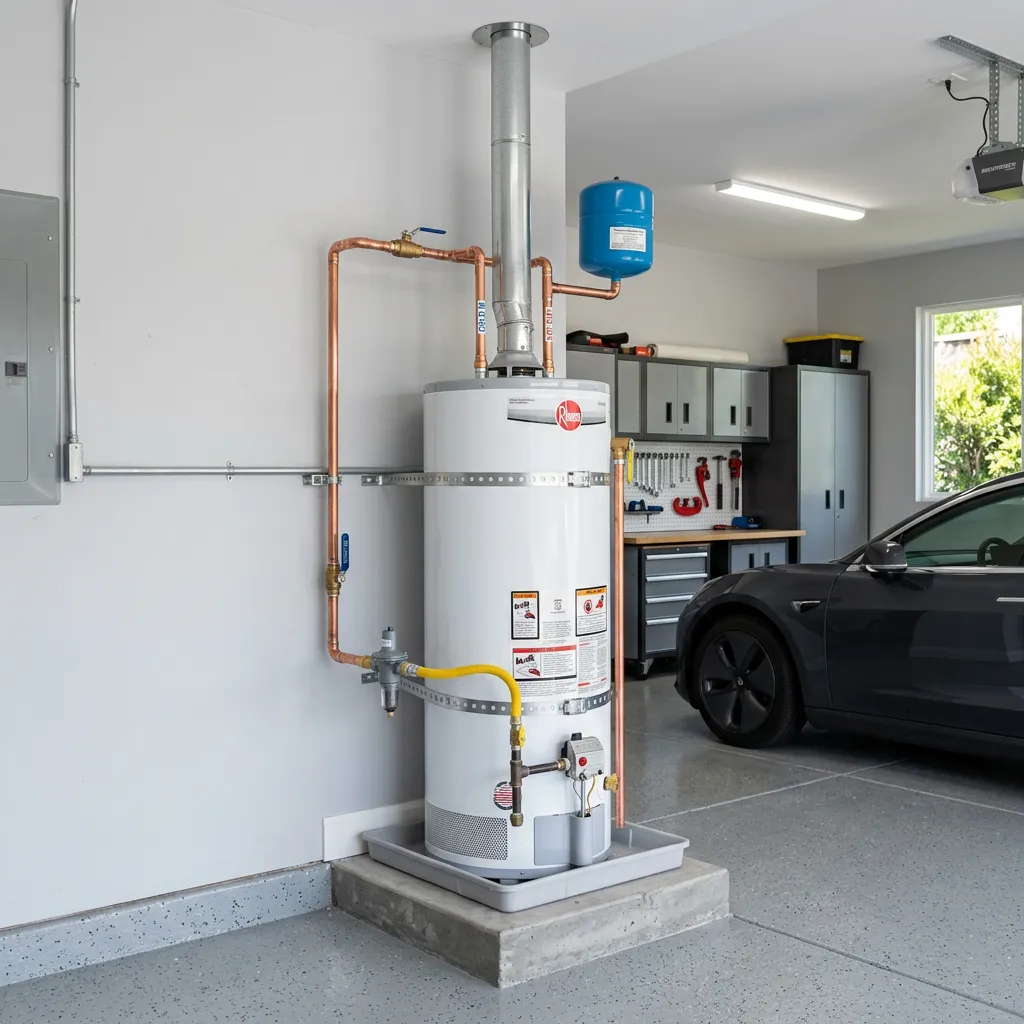
Here's the headline number: a standard tank water heater lasts 8-12 years, and a tankless unit lasts 15-20 years. But those are averages, and averages are about as useful as saying the average California temperature is "nice." Your water heater's actual lifespan depends on a handful of very specific factors.
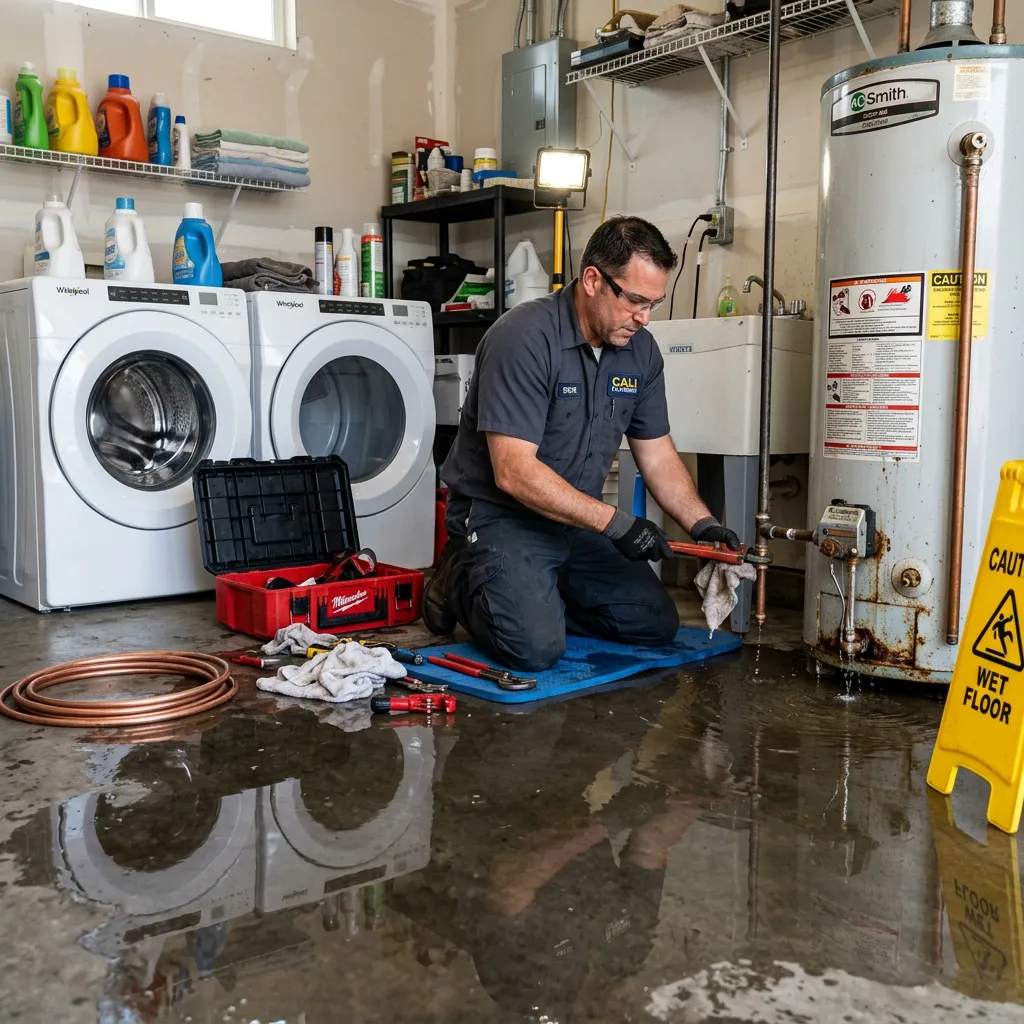
We've pulled 5-year-old units out of Santa Cruz homes that were completely shot, and we've seen 15-year-old tanks still chugging along like nothing's wrong. The difference almost always comes down to maintenance, water quality, and a little bit of luck.
Lifespan by Water Heater Type
| Water Heater Type | Expected Lifespan | With Great Maintenance |
|---|---|---|
| Standard tank (gas) | 8 – 12 years | Up to 15 years |
| Standard tank (electric) | 10 – 15 years | Up to 18 years |
| Tankless (gas) | 15 – 20 years | 20+ years |
| Tankless (electric) | 15 – 20 years | 20+ years |
| Heat pump | 10 – 15 years | Up to 18 years |
Notice how electric tank units tend to outlast gas tanks? Fewer components mean fewer things that can break. No burner, no gas valve, no vent pipe corroding. It's the plumbing equivalent of how a bicycle needs less maintenance than a motorcycle.
The 5 Factors That Actually Determine Lifespan
1. Water Quality
This is the big one, and it's particularly relevant for Santa Cruz homeowners. Our water quality varies significantly across the county. Water from the San Lorenzo River (City of Santa Cruz supply) tends to be relatively soft, while well water in areas like Scotts Valley and Boulder Creek can be harder.
Hard water accelerates sediment buildup and corrodes tank interiors faster. If you're in a harder-water area, your tank's lifespan can be shortened by 2-3 years unless you're diligent about annual flushing.
2. Maintenance (or Lack Thereof)
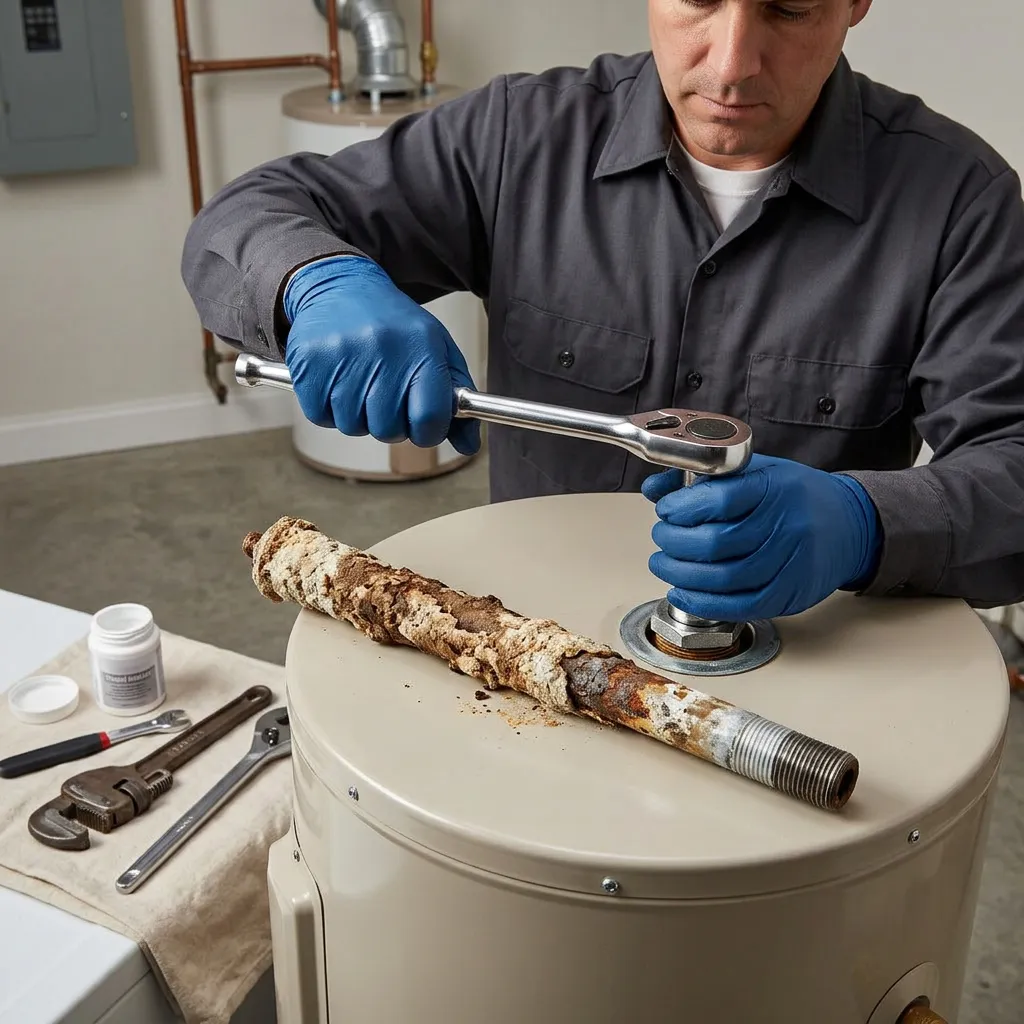
We can't stress this enough: regular maintenance is the single most controllable factor in your water heater's lifespan. Annual flushing, anode rod replacement every 3-5 years, and occasional professional inspections can genuinely add 3-5 years to your unit's life.
Think of the anode rod as your tank's bodyguard. It corrodes so the tank doesn't have to. Once it's fully corroded and nobody replaces it, the tank itself starts taking the hit. We see this constantly during repair calls — people had no idea the anode rod even existed.
Watch: How Long Should a Water Heater Last?
Master plumber breaks down realistic water heater lifespans and what affects how long your unit will actually last.
3. Installation Quality
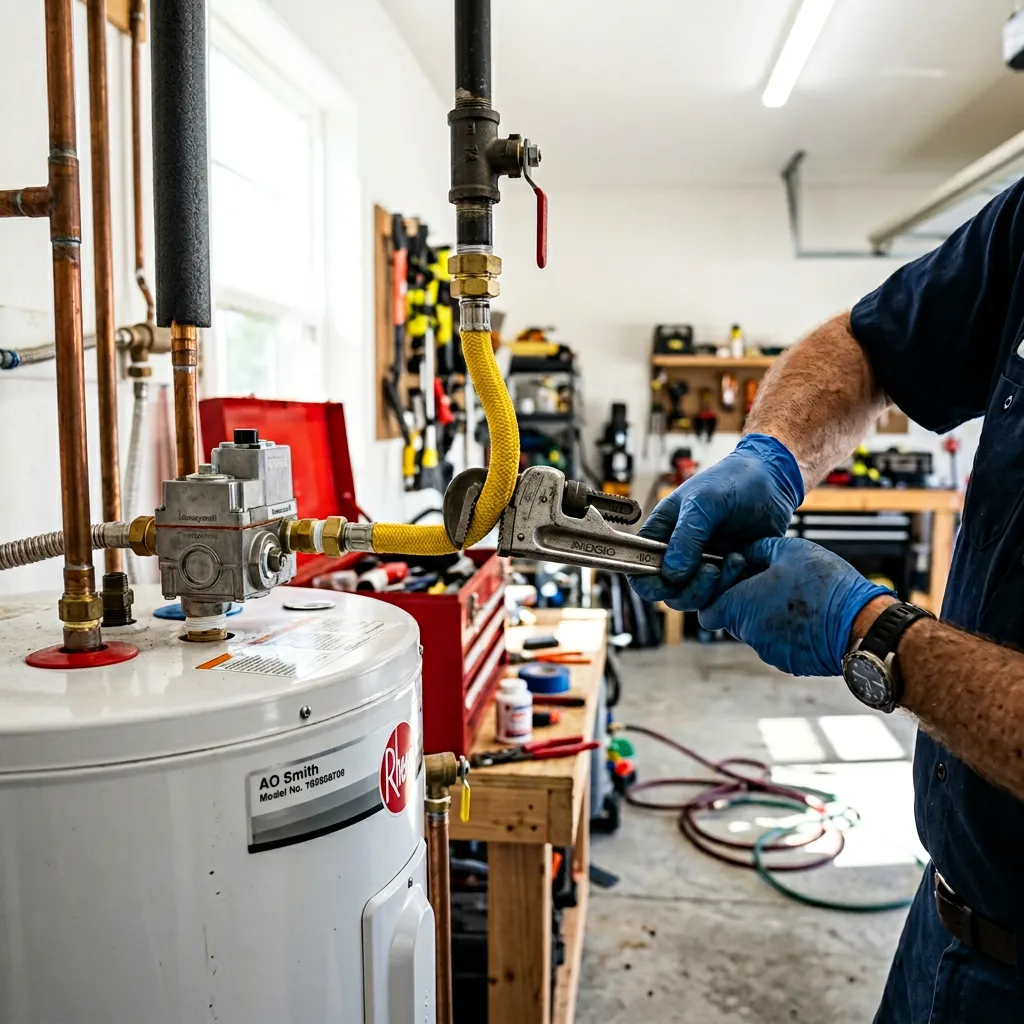
A water heater installed by a qualified pro will outlast a DIY or handyman install nearly every time. Proper venting, correct gas line sizing, appropriate pressure settings, and up-to-code electrical connections all matter more than people realize.
Bad installation doesn't just shorten lifespan — it creates safety risks. We've seen some creative (and terrifying) installations across Santa Cruz County. If your water heater was installed by "a guy my neighbor knows," it might be worth having us take a look.
4. Usage Patterns
A water heater serving a household of two that takes quick showers will last longer than one serving a family of six that runs multiple hot water appliances simultaneously. It's simple physics: more demand = more stress = shorter life.
If your household has grown since you got your current water heater, you might be overworking a unit that was sized for fewer people. That's a recipe for premature failure and a good reason to consider whether a replacement with a properly sized unit makes sense.
5. The Brand and Build Quality
Not all water heaters are created equal. Here's our honest breakdown based on what we see in the field:
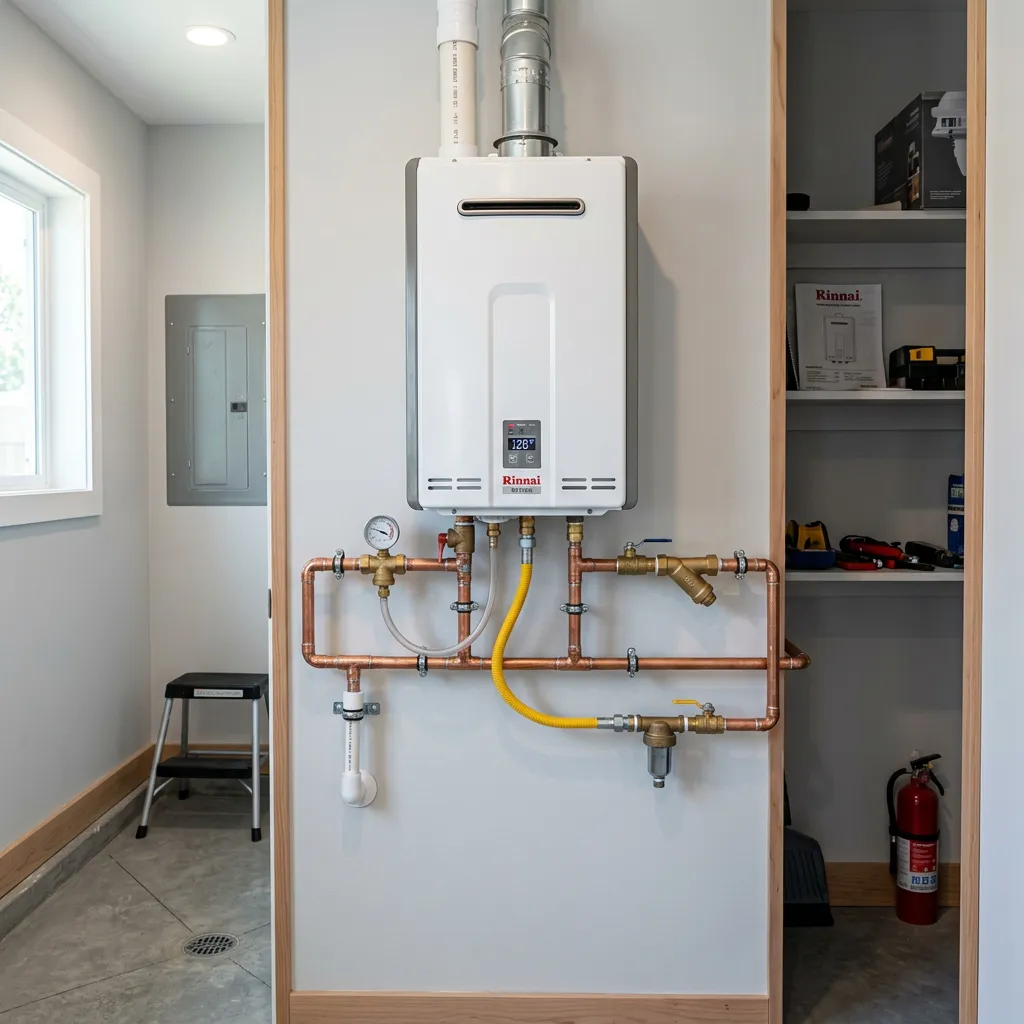
- Premium (longest lifespan): Bradford White, Navien, Rinnai — commercial-grade components, excellent warranties
- Solid mid-range: Rheem, AO Smith, Noritz — great value, reliable performance
- Budget: Big-box store brands (Whirlpool, GE, Kenmore) — they work, but components are lighter-duty and tend to fail sooner
According to Consumer Reports, brand reliability varies significantly, and paying a bit more upfront often means years of additional service life.
How to Maximize Your Water Heater's Lifespan
- Flush annually. 15 minutes of your time (or one service call from us) can add years to the tank.
- Replace the anode rod every 3-5 years. It's a $150-300 job that prevents thousands in premature replacement costs.
- Set the temperature to 120°F. Higher temperatures accelerate corrosion and mineral buildup.
- Install a water softener if you're in a hard-water area. Your water heater (and your hair) will thank you.
- Fix small problems immediately. That minor drip or occasional rumble is your water heater asking for help. Listen to it before it starts screaming.
- Keep the area clear. Good airflow around your water heater prevents overheating and makes maintenance easier.
When It's Time to Let Go
Even with perfect maintenance, every water heater has an expiration date. If your unit is showing signs of failure and it's within a few years of its expected lifespan, replacement is usually the smarter financial move.
We know saying goodbye to an appliance feels weird (it's not a pet, but you've been through a lot together). The good news is that modern water heaters are more efficient, more reliable, and come with better warranties than whatever you're replacing.
Pro tip: Write the installation date on your water heater with a permanent marker. Future you will appreciate knowing exactly how old it is when something goes wrong at 11 PM on a Tuesday.
Got questions about how much life your water heater has left? Call us at (831) 555-0192 for an honest assessment. We'll check the anode rod, look for early warning signs, and tell you whether you've got years left or months. No sales pitch — just the truth.