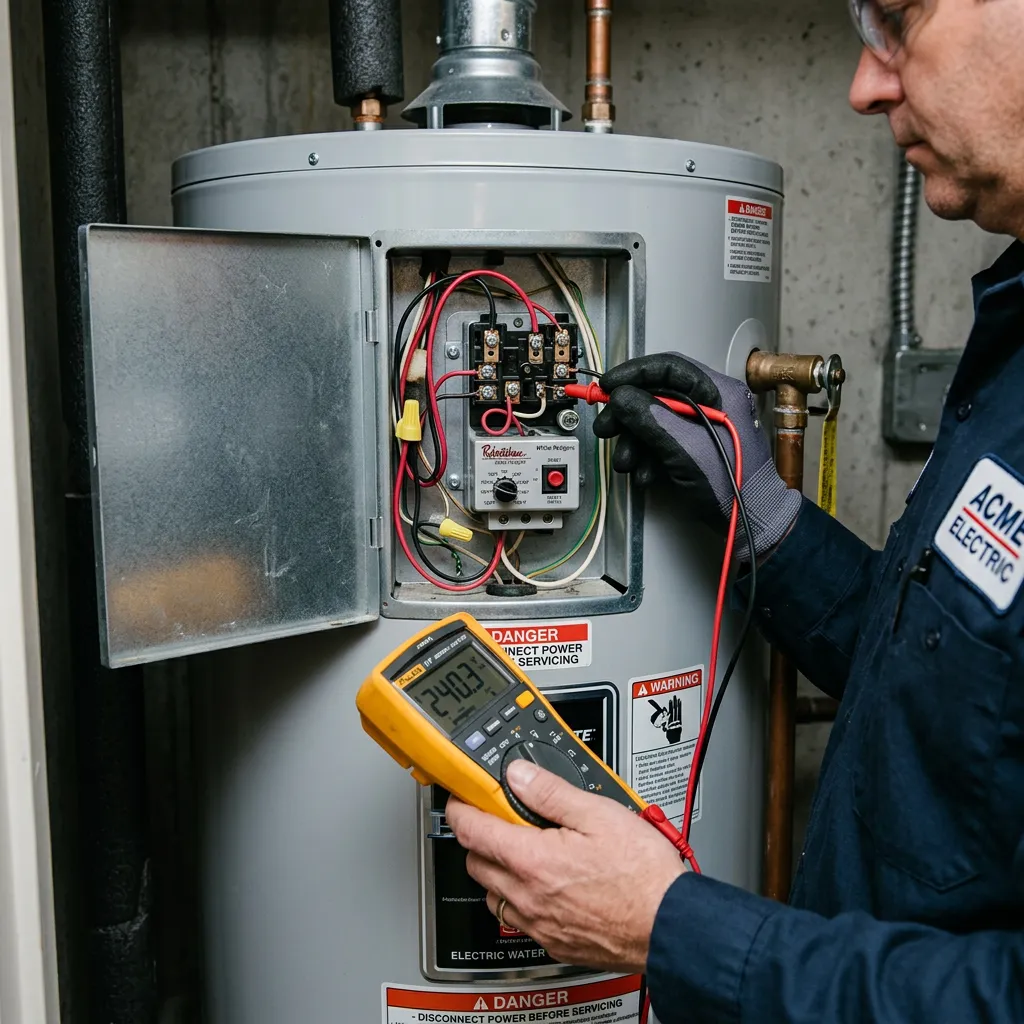
Your Water Heater Is Talking to You -- Time to Listen
A healthy water heater is a quiet water heater. It heats, it stores, it delivers -- all without drama. So when yours starts auditioning for a spot in a garage band, that is not ambiance. That is a cry for help. The good news? Most water heater noises are surprisingly diagnostic. Each sound points to a specific problem, and once you know what you are hearing, you will know exactly how worried to be (and whether you can fix it yourself or need to call in a pro).
We have been diagnosing noisy water heaters across Santa Cruz for years, and these are the seven sounds we hear about most often. Consider this your field guide to the strange symphony happening in your garage or utility closet.
Popping and Crackling
What It Sounds Like
Intermittent pops, like someone cracking their knuckles inside the tank. Sometimes it is a single pop every few minutes, other times it sounds like a bowl of cereal in milk.
What Is Causing It
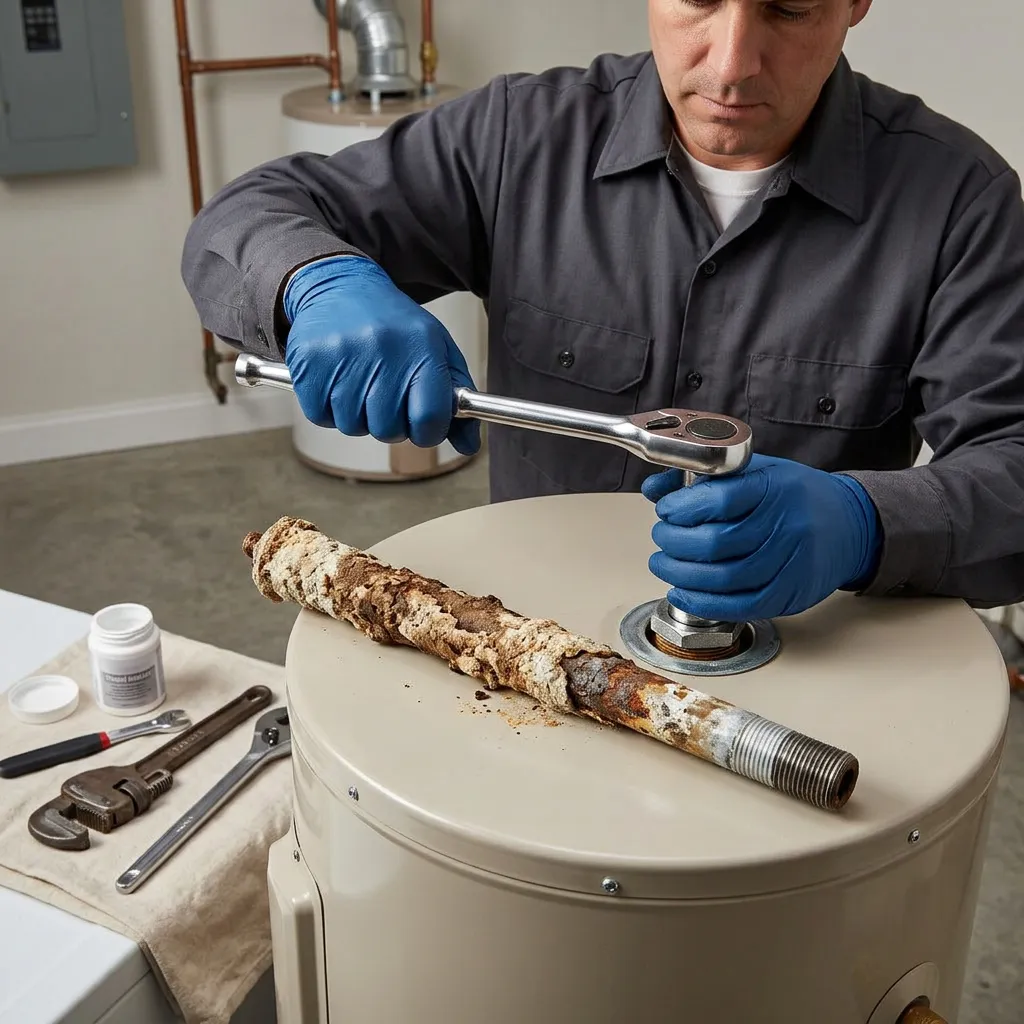
Sediment buildup at the bottom of the tank. Santa Cruz has moderately hard water depending on your neighborhood, and over time, calcium and mineral deposits settle on the bottom of the tank and coat the heating element. When the burner fires, water trapped beneath those sediment layers turns to steam and pushes through, creating those popping sounds.
Severity: Low to Moderate
This is the single most common water heater noise, and in its early stages, it is more annoying than dangerous. But left unchecked, heavy sediment buildup forces your unit to work harder, drives up your energy bills, and accelerates tank corrosion. A professional flush and inspection usually solves it immediately.
The Fix
Drain and flush the tank to clear out sediment. This is a job most homeowners can handle with a garden hose and about 30 minutes, but if the buildup is severe or the drain valve is corroded, let a technician handle it. We recommend flushing your tank at least once a year -- twice if you are in a harder-water area of Santa Cruz County.
Rumbling
What It Sounds Like
A low, continuous rumble, like distant thunder or a truck idling in your driveway. It usually starts when the burner kicks on and stops when heating cycles end.
What Is Causing It
This is the older, meaner cousin of popping. It means sediment buildup has gotten serious enough that large volumes of water are churning and boiling beneath a thick mineral layer. The rumbling is essentially turbulence inside the tank as steam bubbles fight their way through compacted deposits.
Severity: Moderate to High
Rumbling means you have ignored the popping stage for a while. At this point, the tank is under more thermal stress than it should be, and efficiency has dropped noticeably. If your energy bills have crept up alongside the rumbling, that is not a coincidence.
The Fix
A thorough professional flush, and possibly a descaling treatment. If the unit is more than 10 years old and rumbling loudly, it may be time to have an honest conversation about replacement. The internal lining may already be compromised.
Whistling or High-Pitched Whining
What It Sounds Like
A teakettle impression. A sharp, high-pitched whistle or whine that comes and goes, often during heavy hot water use.
What Is Causing It
Restricted water flow. The usual suspects are a partially closed valve, a kinked supply line, or a temperature and pressure (T&P) relief valve that is not seated properly. Water is being forced through a narrow opening at high velocity, and the result is that whistling sound. On tankless units, it can also indicate scale buildup in the heat exchanger restricting flow.
Severity: Low to Moderate
Usually not an emergency, but do not ignore it. A malfunctioning T&P valve is a safety component -- it is designed to release pressure if the tank overheats. If that valve is the source of the whistling, get it checked promptly.
The Fix
Check that all inlet and outlet valves are fully open. Inspect visible supply lines for kinks. If the whistle persists, have a technician inspect the T&P valve and internal connections. On tankless systems, a vinegar flush of the heat exchanger often clears the restriction.
Sizzling or Hissing
What It Sounds Like
Water hitting a hot surface -- think bacon in a pan. You might also hear it as a steady hiss.
What Is Causing It
On gas water heaters, condensation is dripping onto the burner assembly. This is actually normal in some situations, particularly when the tank is filling with cold water after heavy use. On electric units, sizzling typically means a heating element is partially exposed or the tank has a small internal leak where water is contacting hot components.
Severity: Low (Gas) to Moderate (Electric)
If you have a gas unit and the sizzling only happens briefly during recovery cycles, relax -- that is just condensation burning off. If it is constant, or if you have an electric unit making this noise, the situation deserves attention. A leaking tank that is sizzling against hot components could eventually lead to electrical problems or water damage.
The Fix
For gas units with occasional condensation sizzle, no action needed. For persistent sizzling on any unit, inspect the base of the heater for signs of leaking. If you spot moisture, call a pro before it becomes a flood.
Humming
What It Sounds Like
A steady, vibrating hum, almost like an electrical transformer. Constant and low-frequency.
What Is Causing It
This one is almost exclusively an electric water heater issue. The upper or lower heating element is vibrating slightly as electrical current flows through it. Water flowing around the element amplifies the vibration into an audible hum. It can also occur if the element is loose in its mounting.
Severity: Low
Good news -- humming is the least worrying sound on this list. It is annoying, but it does not indicate a dangerous condition or imminent failure. Your water heater is not about to explode. It is just being dramatic.
The Fix
A technician can slightly tighten the heating element to reduce vibration. In some cases, replacing the element with a newer low-watt-density model eliminates the hum entirely. This is a quick, inexpensive repair.
Ticking
What It Sounds Like
A rhythmic tick-tick-tick, like a clock or a cooling engine. Comes in bursts, usually after the unit heats a batch of water.
What Is Causing It
Thermal expansion. As your water heater heats water, the tank and connected pipes expand slightly. As they cool, they contract. The ticking is the sound of metal pipes shifting against mounting straps, wooden framing, or other surfaces. Heat traps (check valves installed on the inlet and outlet nipples) can also produce a ticking sound as they open and close.
Severity: Very Low
This is almost never a problem. It is the water heater equivalent of a house settling. The only time ticking deserves investigation is if it is new, very loud, or accompanied by other symptoms like temperature fluctuations.
The Fix
If the ticking bothers you, a plumber can add insulation around pipes near the heater to dampen the sound, or replace noisy heat trap nipples with dielectric nipples. But honestly, most Santa Cruz homeowners learn to live with it.
Knocking or Hammering
What It Sounds Like
Sharp, loud bangs -- like someone hammering on the pipes. Usually happens when a faucet or appliance shuts off suddenly.
What Is Causing It
Water hammer. When flowing water is stopped abruptly (a dishwasher valve closing, a washing machine shifting cycles), the momentum of the water creates a shockwave that slams through your pipes. While the sound seems to come from the water heater, the problem is usually in the plumbing system, not the heater itself.
Severity: Moderate
Water hammer puts stress on pipe joints, fittings, and the water heater's connections. Over time, repeated hammering can loosen connections, cause pinhole leaks, or damage the water heater's internal components. It is worth addressing before those stresses become expensive failures.
The Fix
Install water hammer arrestors on the supply lines near the fixtures that trigger the bang. A plumber can also check whether your home's water pressure is too high (above 80 PSI) and install a pressure-reducing valve if needed. In Santa Cruz homes with older plumbing, this is a common and relatively affordable fix.
When to Call a Professional
As a general rule: if the noise is new, getting louder (check our replacement warning signs guide), or accompanied by other symptoms like temperature changes, discolored water, leaking, or a spike in your utility bills, do not wait. A small repair now almost always costs less than an emergency replacement later. Our team serves all of Santa Cruz County and can usually diagnose the problem in a single visit. Reach out for a free diagnostic consultation -- and let us translate whatever your water heater is trying to say.