Warranty fine print is about as fun as a cold shower. But stick with us — we'll translate the legalese so you can actually understand what your water heater warranty covers, what it decidedly does not cover, and how to avoid accidentally voiding the whole thing. We've seen every possible surprise hiding in the small print.
Brand Warranty Comparison: Rheem vs. AO Smith vs. Bradford White
We install and service all three major brands across Santa Cruz, and their warranty structures are more similar than you'd think — but the devil is in the details. Here's how they stack up:
| Brand | Tank (Standard) | Tank (Mid-Tier) | Tank (Premium) | Parts | Labor |
|---|---|---|---|---|---|
| Rheem | 6 years | 10 years | 12 years | 1–2 years | 1 year |
| AO Smith | 6 years | 10 years | 12 years | 1–2 years | 1 year |
| Bradford White | 6 years | 10 years | 12 years (lifetime on select) | 1–2 years | 1 year |
Notice anything? That labor warranty column is painfully consistent — one measly year across the board. We'll come back to why that matters in a moment, because it's the part that catches most homeowners off guard.
Parts Warranty vs. Labor Warranty: The Expensive Surprise
Here's the thing nobody tells you at the hardware store: a "10-year warranty" does not mean 10 years of free repairs. It means the tank is covered against leaks from corrosion or manufacturing defects for 10 years. Parts like thermostats, heating elements, and gas valves? Usually covered for one to two years. And labor — the actual cost of a technician showing up, diagnosing the issue, and installing the replacement? That's on you after year one.
For most water heater repairs in Santa Cruz, labor makes up 40–60% of the total repair bill. So while a parts warranty is genuinely valuable, it's not the golden ticket many homeowners assume it is.
A Real-World Warranty Repair Scenario
Let's say your AO Smith water heater develops a bad thermostat in year five of a 6-year warranty. Here's how the math shakes out:
- Thermostat part: Covered by manufacturer ($0 to you)
- Diagnostic service call: $75–$125 (your responsibility)
- Labor for installation: $75–$150 (also yours)
- Your actual out-of-pocket: $150–$275 instead of the full $300–$400
Still a solid savings — but not quite the "free fix" most people picture when they hear "it's under warranty."
What Voids Your Water Heater Warranty
This is the section we really wish every Santa Cruz homeowner would bookmark. We've seen perfectly valid warranty claims denied because of avoidable mistakes. Here's what manufacturers look for when deciding whether to honor — or reject — your claim.
Installation Red Flags
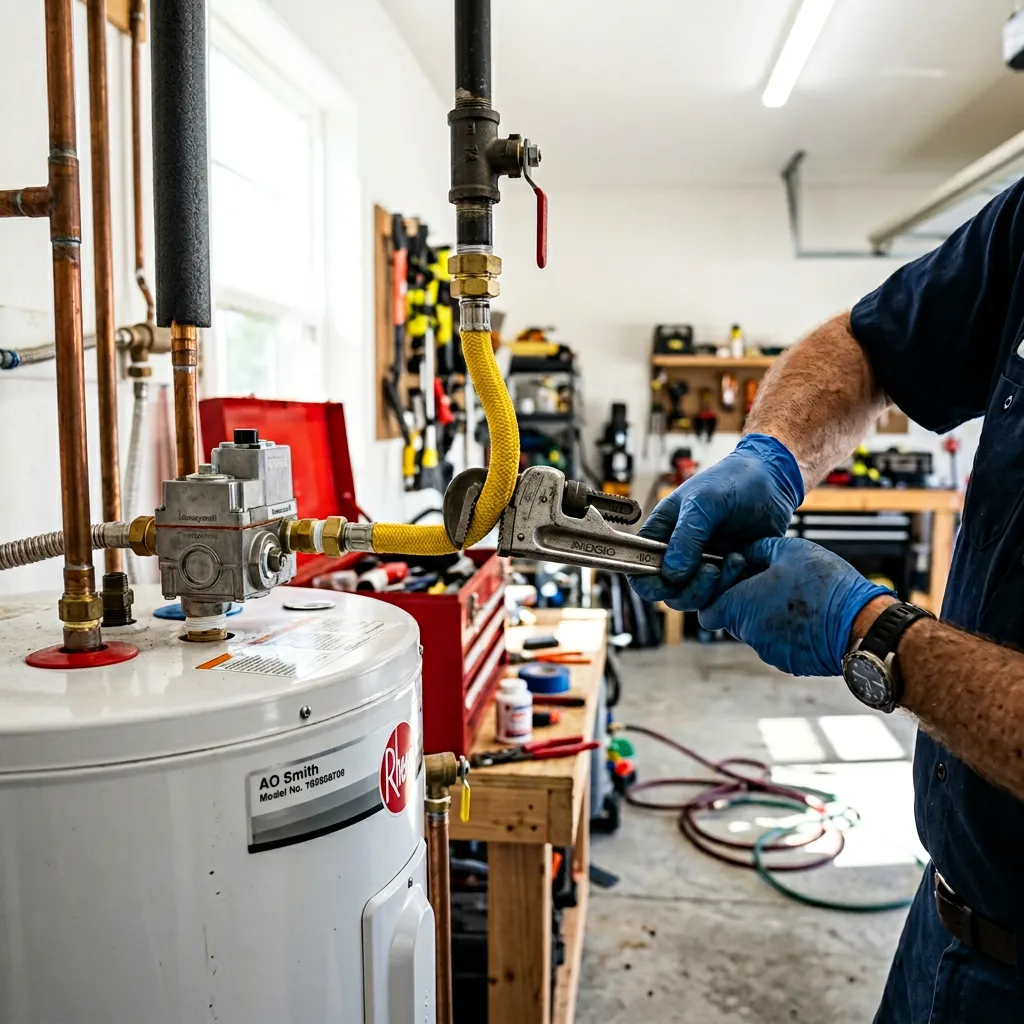
- DIY or unlicensed installation: Virtually every manufacturer requires a licensed plumber to install the unit. Your handy neighbor who "does this all the time" will cost you your entire warranty.
- Improper venting: Gas water heaters must be vented per local Santa Cruz building codes. Incorrect venting is one of the top reasons claims get denied.
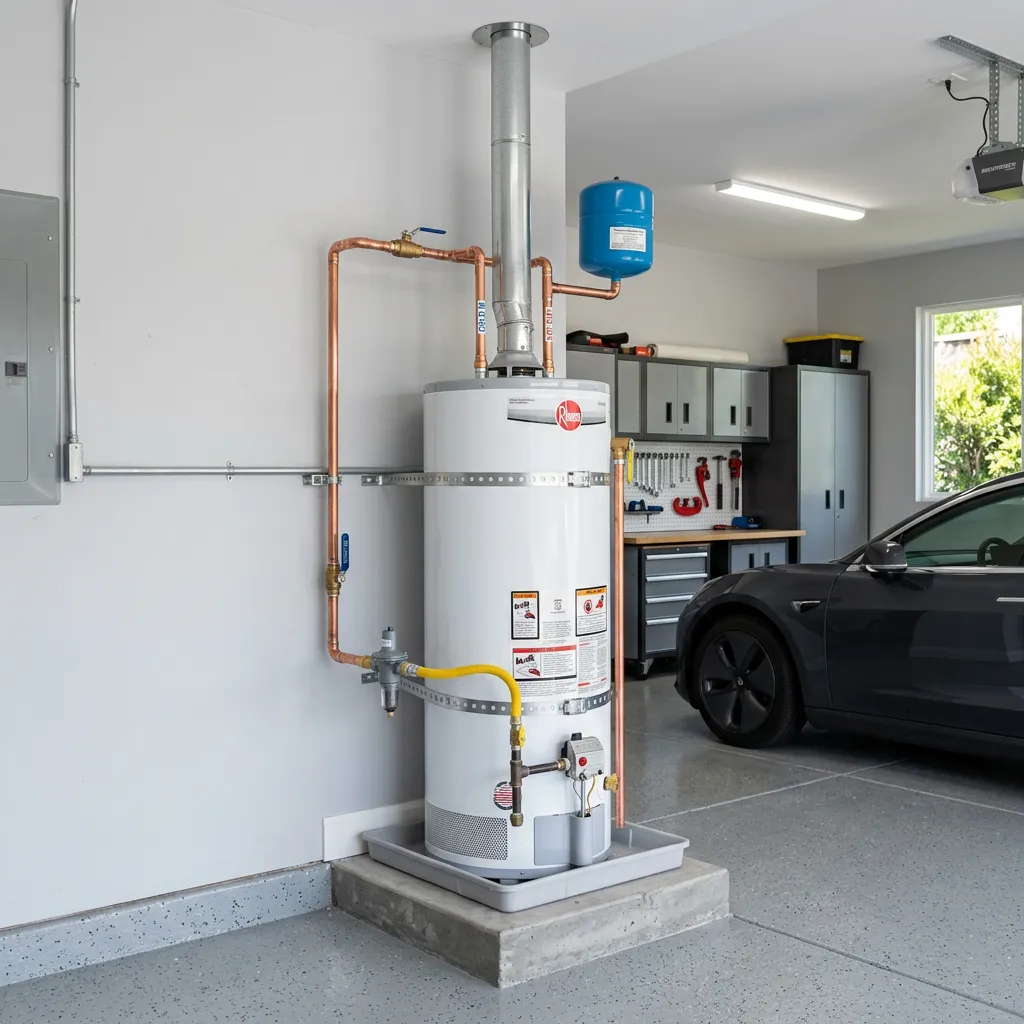
- Missing expansion tank: If your home has a closed-loop plumbing system (increasingly common in newer Santa Cruz construction), an expansion tank is required. Skip it, and your warranty may follow.
Maintenance Neglect
- No annual flushing: Manufacturers recommend yearly flushing and anode rod inspections. Santa Cruz's water is on the softer side compared to inland California, but mineral buildup still happens — especially if you're on a well system in the Santa Cruz Mountains.
- Sediment damage: If excessive sediment caused the failure and regular water heater maintenance would have prevented it, expect the claim to be denied.
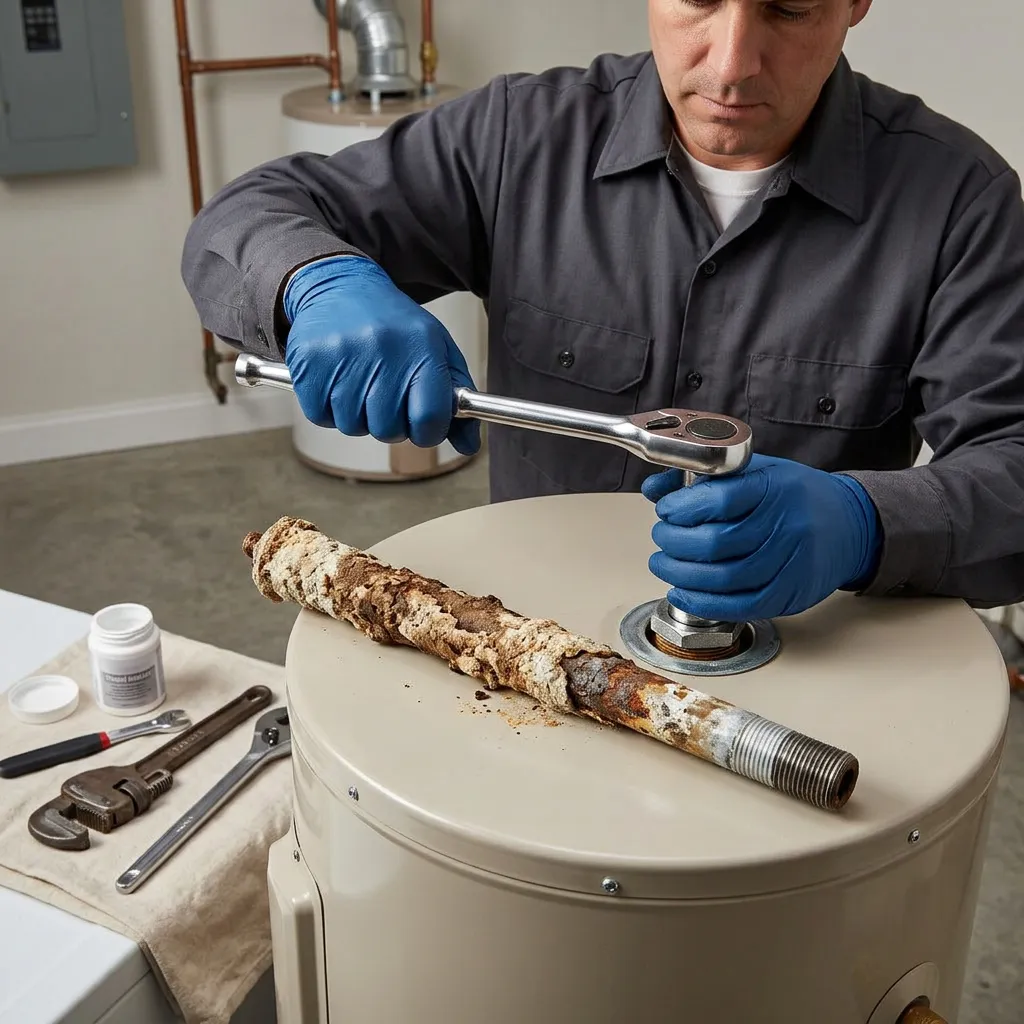
- Dead anode rod: That sacrificial anode rod is literally designed to corrode so your tank doesn't. If it's completely dissolved and nobody noticed, the manufacturer has grounds to reject the claim.
Modifications and Misuse
- Aftermarket parts: Using non-OEM components can void coverage on the entire unit — not just the part you swapped.
- Water pressure above 80 PSI: Operating without a pressure-reducing valve when needed? That's a warranty killer.
- Commercial use on a residential unit: That water heater in your vacation rental doing double duty for an Airbnb? Residential warranties don't cover commercial use.
Extended Warranties: Worth the Money or Just Peace of Mind Theater?
We get this question at least once a week, and our honest take is: it depends on what you're protecting.
Manufacturer Extended Plans
Rheem and AO Smith both offer extended coverage you can purchase within 30 days of installation, typically adding 2–4 years of parts coverage for $100–$250. If you've invested in a premium tankless or hybrid unit, this is usually money well spent. For a basic tank water heater, the math is less compelling.
Third-Party Home Warranty Plans
Companies like American Home Shield include water heater coverage in their broader plans. However, the fine print often includes $75–$125 service call fees, repair caps, and pre-existing condition exclusions. For older systems, claims frequently get denied — and the frustration isn't worth the monthly premium.
Our Four-Step Warranty Protection Plan
- Buy the better unit upfront. A 10-year warranty model costs more at installation, but you're buying years of additional coverage. We almost always recommend the 10-year models as the sweet spot between cost and protection.
- Register your product immediately. Most manufacturers require registration within 30–90 days. Skipping registration won't void your warranty outright, but it can shorten your coverage period. Rheem's registration page takes about two minutes — no excuses.
- Keep every receipt and record. Purchase receipt, installation invoice, maintenance records — file them all. You'll need documentation when filing a claim, and "I think I had it serviced a couple years ago" won't cut it.
- Schedule annual maintenance. This is the single most effective way to protect both your warranty and your water heater's lifespan. Our maintenance service covers a full tank flush, anode rod inspection, and complete safety check.
How to File a Warranty Claim (Without Losing Your Mind)
If you suspect your water heater issue falls under warranty, here's the process we walk Santa Cruz homeowners through:
- Find your model and serial number. It's on a sticker on the side of your unit. The serial number encodes the manufacture date, which determines whether you're still within the warranty window.
- Call your installer or an authorized service provider. Many claims must go through the original installer or a manufacturer-authorized company. We're authorized for all three major brands, so we can handle the process from start to finish.
- Get a professional diagnosis. A licensed plumber needs to confirm the failure type and determine whether it qualifies for warranty coverage. Schedule your diagnostic visit with us and we'll sort it out.
- Wait for manufacturer approval. For tank failures, the manufacturer may request photos or a physical inspection before greenlighting the claim. This typically takes 3–7 business days.
The Bottom Line
Your water heater warranty is genuine protection — but only if you understand the rules of the game. Get it installed by a licensed pro, maintain it annually, register it promptly, and keep your paperwork organized. Do those four things, and you'll be in the strongest possible position if something goes wrong. And if you're staring at a water heater that's acting up and wondering whether the warranty applies? Give us a call. We'll help you figure out what's covered and get your hot water back on track — no legalese required.